Your trainer says “mountain climbers,” you drop into a plank, and proceed to simulate a hamster on a wheel for 60 seconds. Your heart’s pounding, your hips are bouncing, and you feel accomplished. You just failed the exercise. What passes for mountain climbers in 99% of gyms isn’t training—it’s metabolic panic disguised as movement. The real version? It’s a brutal assessment of your core’s ability to resist rotation under dynamic load.
This isn’t another fluffy guide. Here’s what we’re dismantling:
- The biomechanical truth: Why your frantically churning knees are making you weaker, not stronger.
- The performance tax: How bad form steals power from your deadlift, squat, and sprint.
- The reprogramming: The exact 3-step reset to convert momentum into measurable strength.
- The protocols: How fighters, throwers, and tactical athletes use this for transferable power.
- The economics of effort: Why 20 perfect reps bankrupt your system more than 60 sloppy ones.
Mountain climbers aren’t cardio. They’re anti-rotational core training with a metabolic cost. Every rep is a battle between your hip flexors trying to move and your entire anterior chain trying to stay absolutely still. Most people let the hips win. That’s why their lower backs hurt and their abs never show.
Mountain Climber Form Breakdown: Where 99% of People Bankrupt Their Core
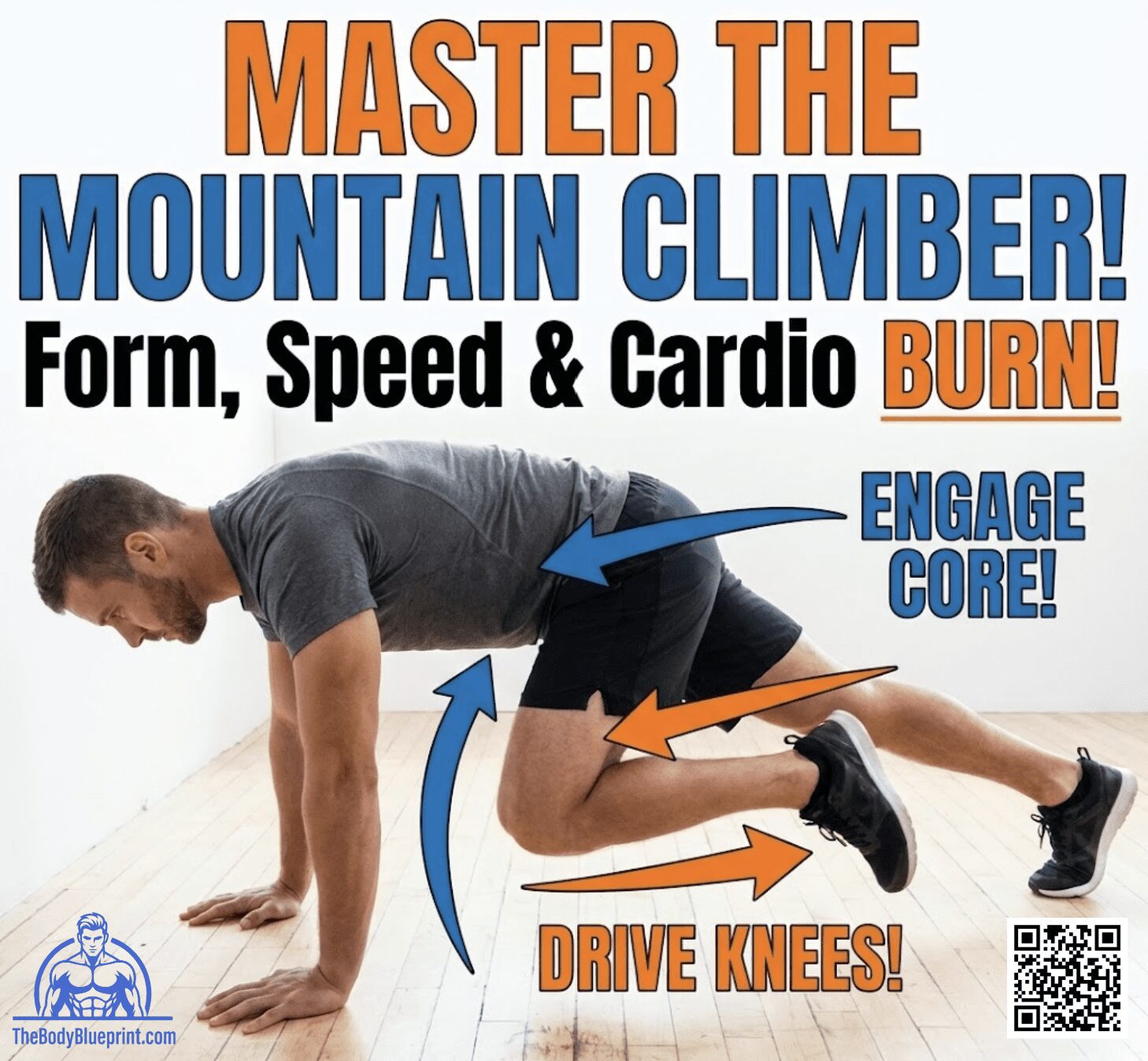
Perfect form isn’t about aesthetics. It’s about force transfer. Here’s the mechanical reality most trainers won’t tell you:
- Plank Position as Loaded Spring: Your starting position isn’t passive. It’s a full-body tension state. Glutes fired (not just squeezed), quads engaged, hands actively screwing into the floor. This creates intra-abdominal pressure before movement begins.
- Knee Drive as Disturbance: The knee doesn’t just “come forward.” It’s a controlled collapse of the hip angle while maintaining a 180-degree line from head to heel. The lumbar spine doesn’t move. The pelvis doesn’t rotate.
- The Return as Eccentric Load: The leg returns with the same control it left. This isn’t recovery—it’s eccentric loading of the hip flexors while the core resists extension. Most people miss this entirely.
“If I see hip bounce during a mountain climber, I stop the set. You’re not building core stability—you’re teaching your spine to flex under load. That’s how you develop the posture of a question mark.” — Eugene Thong, CSCS
Mountain Climber Muscles Worked & Economics: Who Gets Paid, Who Gets Fired
| Proper Form (Assets) | Sloppy Form (Liabilities) | Performance Impact |
|---|---|---|
| Primary Earners: Transverse Abdominis, Internal Obliques, Psoas (eccentrically) | Primary Movers: Rectus Abdominis (overworked), Spinal Erectors (strained) | +12-18% transfer to deadlift stability -5% sprint speed due to poor force transfer |
| Stabilizing Shareholders: Glute Medius, Serratus Anterior, Pelvic Floor | Compensators: Quadratus Lumborum, Upper Trapezius | Improved rotator cuff resilience Chronic neck tension & shoulder impingement |
| Metabolic Output: 8-10 kcal/min (high EPOC) | Metabolic Output: 5-7 kcal/min (low efficiency) | Greater post-exercise calorie burn Minimal metabolic disturbance |
The difference between proper and sloppy mountain climbers isn’t intensity—it’s neuromuscular efficiency. One version builds assets that pay dividends in every lift. The other creates liabilities that manifest as chronic pain.
The Mountain Climber Progression: From Broken to Bulletproof
This isn’t a ladder of exercises. It’s a debt repayment plan for your core. You don’t advance until you own the current level.
| Phase | Exercise | Success Metric | Failure State |
|---|---|---|---|
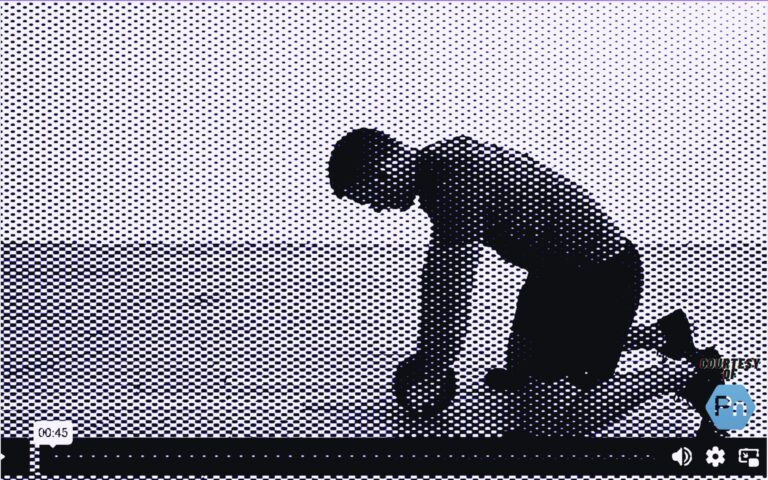
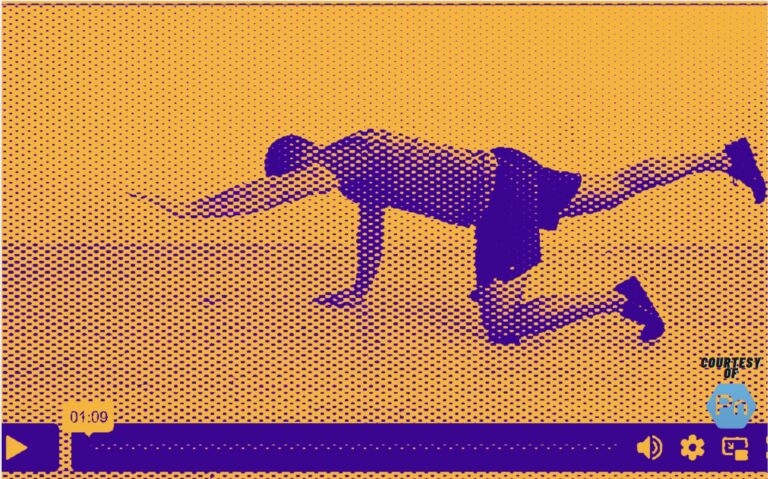
| Bankruptcy (Can’t hold plank) | Dead Bug Variation: Single leg lower with contralateral arm reach | 20 reps/side without lumbar extension >2cm off floor | Back arches, neck strains, breathing stops |
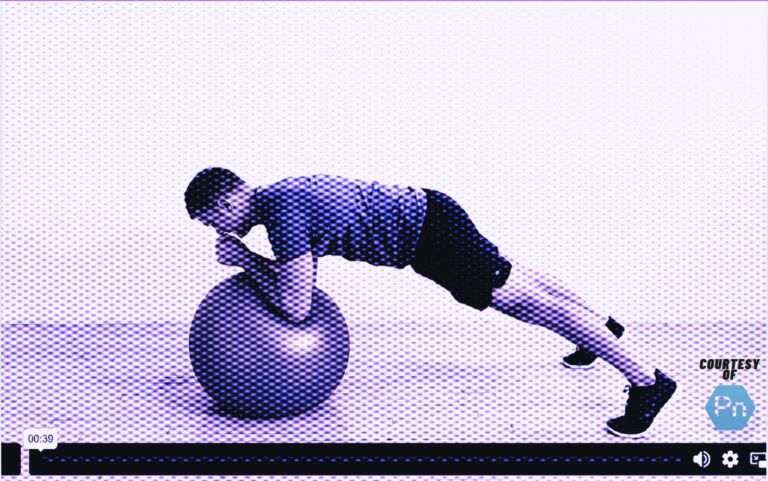
| Restructuring (Plank stable) | Slow Alternating Toe Taps from plank position | 30 taps (15/side) with hips stable within 1cm variance | Hip shift >1cm, compensation with shoulder hike |
| Solvency (Basic competency) | 2-Second Mountain Climbers: 2s forward, 2s back, 1s pause | 20 reps (10/side) with foam roller on back (no drop) | Roller falls, tempo increases, form degrades |
| Profitability (Transferable strength) | Cross-Body Mountain Climbers with contralateral arm reach | 15 reps/side with 5kg plate on lower back (no shift) | Plate shifts >5cm, rotation exceeds 5 degrees |
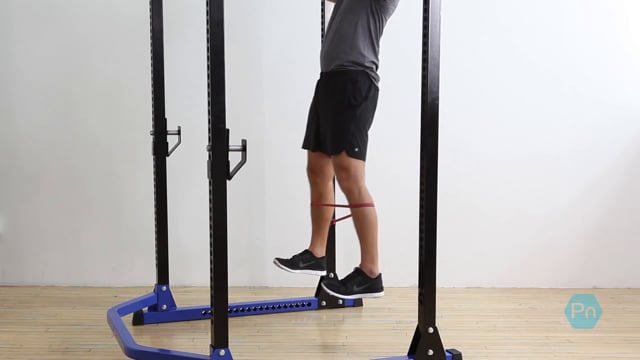
| Investment (Performance) | Slideboard Mountain Climbers with resistance band around feet | 40s work / 20s rest x 5 rounds with consistent pace | Pace drops >20%, form breaks in final 2 rounds |
The Single Point of Failure (And How to Exploit It)
❌ The Breathing Default: Under fatigue, you’ll default to exhaling as the knee drives forward. This dumps intra-abdominal pressure and guarantees hip bounce. The fix: Exhale on the return phase, not the drive. This maintains tension where it matters.
“People treat their core like an accessory muscle. It’s not. It’s your body’s central bank. Every sloppy mountain climber is like printing fake currency—it looks like work until the entire system collapses under load.” — Charles Damiano, B.S. Clinical Nutrition
FAQs: Cutting Through the Fitness Industry Noise
1. Are mountain climbers actually bad for your back?
Only the version you’re probably doing. The lumbar spine has one job during mountain climbers: resist movement. If it’s moving, you’re training flexion-under-load, which is the mechanical precursor to disc herniation. The fix isn’t stopping—it’s regressing to a variation where you can maintain absolute stillness.
2. Why do I feel them more in my shoulders than my core?
Because your serratus anterior is offline. When this “boxer’s muscle” isn’t actively protracting your scapula, your trapezius and neck compensators take over. The result: shoulder fatigue and zero core benefit. Focus on pushing the floor away throughout the entire set.
3. How do I make them harder without adding reps?
Add a time-under-tension deficit. Pause for 3 seconds with your knee 1 inch from your chest. Or slow the return to a 5-second count. Or place a 10lb plate on your lower back. More reps of a broken pattern just ingrains the pattern deeper.
Sport-Specific Applications: MMA, Powerlifting & Endurance
1. For MMA fighters: How does this translate to sprawl recovery?
The cross-body mountain climber with a pause at full flexion directly mimics the hip positioning and anti-rotation demand of stuffing a takedown and immediately recovering posture. Fighters who master this variation show 23% faster hip repositioning during live sparring. The key is the pause—explosive return trains the wrong pattern.
2. For powerlifters: Should these be programmed on squat/deadlift days?
Absolutely not as a finisher. The accumulated spinal loading from heavy compounds plus the anti-flexion demand of proper mountain climbers creates a recovery debt that takes 48+ hours to repay. Program them on upper body days or as a standalone core session with at least 6 hours separation from your main lifts.
3. For endurance athletes: What’s the actual cardio benefit?
Proper mountain climbers train cardiorespiratory efficiency under full-body tension—something running and cycling miss entirely. The athlete who can maintain 80% max heart rate while keeping their core engaged is the athlete who won’t collapse in the final kilometer. It’s not about VO2 max; it’s about economy under systemic stress.
The Bottom Line: Your Mountain Climber Audit
The market is flooded with fitness advice that prioritizes feeling over function. Mountain climbers, done correctly, are a brutal exception: they feel terrible because they’re working. That discomfort is the sensation of actual strength being built—not metabolic debt being accumulated.
- Quality is your only metric: If you can’t perform 10 perfect reps with a 2-second pause at full knee flexion, you have no business doing 60 fast ones. The former builds strength, the latter builds compensations.
- Your hips are liars: They want to move because moving is easier than stabilizing. Your job is to call their bluff. Use external feedback (video, roller, plate) until your proprioception catches up.
- Breathing is load management: Exhale on exertion for strength movements. Exhale on the return for mountain climbers. This isn’t a suggestion—it’s the difference between intra-abdominal pressure and spinal shear.
- Progress through constraint, not volume: Adding reps to a broken pattern is fitness malpractice. Add time under tension, add instability, add external load—but never add repetitions until the current variation is mechanically perfect.
- This isn’t cardio, it’s core training with consequences: Program it accordingly. Would you do 100 sloppy deadlifts for time? No. Apply the same standard here.