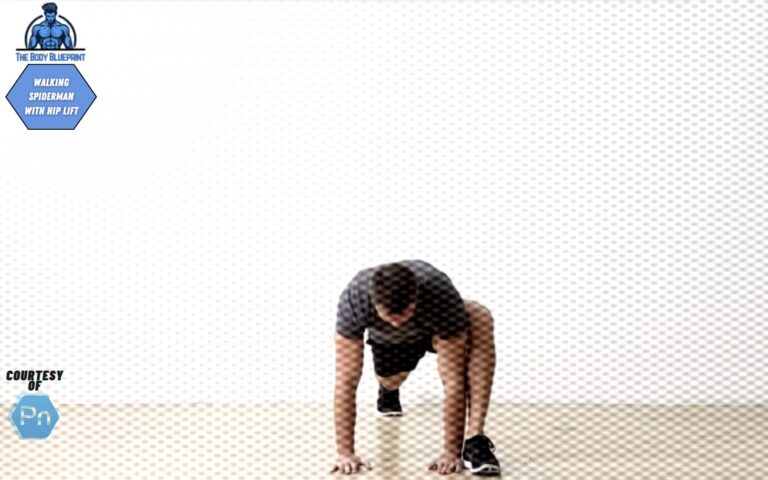
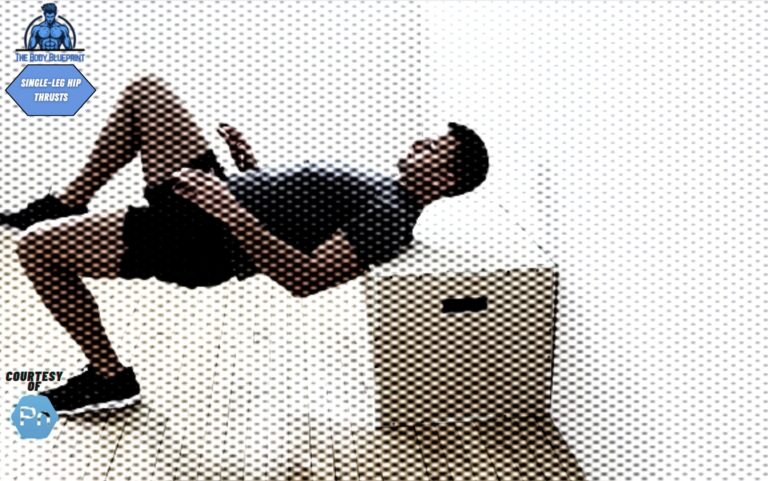
Supine hips-extended leg curls are a high-tension posterior chain isolation drill designed to maximize hamstring recruitment while maintaining gluteal dominance. Many lifters fail to distinguish between simple knee flexion and the integrated stability required for heavy barbell deadlifts. By holding a static hip extension, we perform a mechanical audit on your biceps femoris, forcing the hamstrings to operate under a constant load while the pelvis remains locked in an athletic, neutral position.
Health & Safety: For educational purposes only. Not FDA evaluated. These products and exercises carry inherent risks; results are not guaranteed and vary by individual. Always consult a professional before starting any new diet, supplement, or physical regimen.
Technical Setup: Locking the Posterior Chassis
Establishing a rock-solid bridge is the prerequisite for effective knee flexion. Lie supine with your feet on a slideboard or stability ball. Before curling, perform a glute bridge to drive the hips toward the ceiling. If you feel the load shifting to your lumbar spine, re-engage your core stability by pulling your ribs down toward your navel.
Execution Cues: Engineering the Perfect Rep
The objective is to pull the heels toward the glutes without allowing the hips to sag. Many lifters lose their pelvic integrity midway through the set, turning a high-tension drill into a sloppy floor-sliding exercise. In the Engineering Dept, we use a 2-second isometric hold at the peak of the contraction to ensure maximum motor unit recruitment. If you encounter cramping, utilize a Tiger Tail massage stick to address tissue quality in the posterior chain.
| Mechanical Check | Correction Strategy |
|---|---|
| Hips Dropping | Aggressively contract the glutes; keep the belt buckle high. |
| Foot External Rotation | Keep toes pointed to the ceiling; avoid “turning out” the feet. |
| Neck Tension | Keep the gaze neutral; don’t “crunch” your chin into your chest. |
Integrated Stability: Protecting the Hamstrings
A resilient posterior chain requires the hamstrings to work in tandem with the glutes. This movement serves as a diagnostic tool for identifying weightlifting weak points. If you cannot maintain hip extension during flexion, your deadlift mechanics are likely compromised. Support this high-load work with joint supplements and adequate recovery strategies to maintain peak performance.
“Hypertrophy is the goal, but stability is the tax you pay to get there. Lock the hips, curl the heels, and build a back-side that doesn’t buckle under pressure.” — Eugene Thong, CSCS
Lexicon of Mechanics: Bridge Edition
Hip Extension: The act of opening the hip joint—essential for gluteal activation.
Knee Flexion: Drawing the heel toward the hip, primarily isolating the hamstrings.
Motor Unit Recruitment: The activation of additional muscle fibers to accomplish a task, maximized by peak contractions.
Diagnostic Tool: Using an exercise to identify structural imbalances like pancake butt or weak hamstrings.
Build the Integrated Blueprint.
Stop doing basic bridges. Master the hips-extended curl and engineer a posterior chain that moves as one unit.