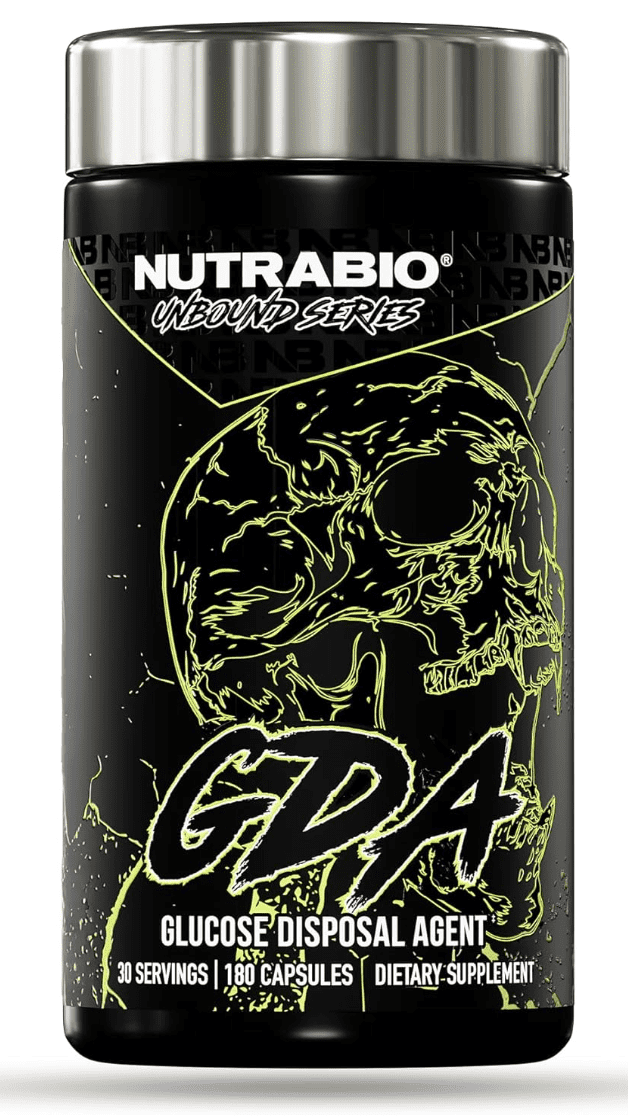
Nutricost Alpha Lipoic Acid (ALA) is a high-potency Glucose Disposal Agent (GDA) designed to improve insulin sensitivity and ensure your post-workout carbs fuel muscle growth, not fat storage.
This 2026 review breaks down the 600mg dosage, the difference between this and R-ALA, and why this sulfur-based compound is the secret weapon for dirty bulkers and carb-cyclers alike.
Transparency & Affiliate Disclosure: This article contains affiliate links. As an Amazon Associate, I earn from qualifying purchases. If you click a link and buy something, I may receive a small commission at no extra cost to you. Please note: I only recommend products I believe will support your training goals. This support helps keep the site running.
Nutricost ALA Overview & Key Specs
Alpha Lipoic Acid is unique because it is both water and fat-soluble, allowing it to work in every cell of your body to fight oxidative stress and manage glucose. Nutricost delivers a massive 600mg per serving (2 capsules), which is significantly higher than the standard 100-200mg found in multivitamins. It’s a no-nonsense, high-volume bottle perfect for daily use without the “health store tax.”
- Dosage: 600mg Per Serving (300mg per capsule)
- Type: Standard ALA (Mixture of R-ALA and S-ALA)
- Supply: 240 Capsules (120 Servings) – Massive value
- Certifications: Gluten-Free, Soy-Free, Non-GMO, GMP Compliant
- Key Benefit: Insulin sensitivity and antioxidant support
- Best For: High-carb days and post-workout nutrition
Performance Analysis: The Insulin Mimetic
You train hard, but if your insulin sensitivity is trash, your cheat meals are going straight to your waistline, not your biceps.
Nutrient Partitioning (The “Cheat Code”)
ALA mimics insulin, helping to shuttle glucose into muscle cells where it can be stored as glycogen. Taking 600mg of ALA before a high-carb meal acts as a traffic cop, directing those calories toward recovery. This makes it an essential stack with clean carb supplements or mass gainers. If you are struggling to stay lean while bulking, this is the tool you are missing.
The Universal Antioxidant
Oxidative stress is the byproduct of heavy lifting; ALA is the cleanup crew. Because it can penetrate both the fatty cell membrane and the watery interior, it neutralizes free radicals everywhere. It even helps regenerate other antioxidants like Vitamin C and Glutathione. For a complete defense protocol, stack this with Nutricost Vitamin C.
Nerve Health & Recovery
High blood sugar damages nerves over time; ALA helps protect them. While often used for diabetic neuropathy, for the athlete, this translates to better neuromuscular recovery and less “tingling” after intense compression or heavy volume sets. It pairs well with Magtein for nervous system regulation.
“Insulin is the most anabolic hormone in the body, but it’s a double-edged sword. ALA helps you harness the anabolic power of insulin for muscle growth while minimizing the fat-storage downside. It’s nutrient partitioning 101.”
— Eugene Thong, CSCS
Who Nutricost ALA Is For (And Not For)
Nutricost ALA Is Perfect For:
- The Dirty Bulker: If you are eating 4,000+ calories a day, you need GDA support to prevent insulin resistance.
- The Carb Cycler: Take this on your high-carb refeed days to maximize glycogen compensation.
- The Value Hunter: This bottle offers 240 capsules. It lasts forever compared to overpriced “designer” GDAs.
- The Stack Master: Combines perfectly with creatine monohydrate and Berberine for a total metabolic stack.
Nutricost ALA Is NOT For:
- The Hypoglycemic: It lowers blood sugar. If you are prone to low blood sugar or get shaky easily, be careful.
- The Empty Stomach Taker: ALA is acidic. Taking 600mg without food will likely give you rigorous heartburn (“ALA burn”).
- The R-ALA Purist: This is standard ALA (a mix of synthetic S and natural R forms). If you want 100% pure stabilized R-ALA, check out Nutricost’s R-ALA instead (it costs more for less).
Potential Drawbacks (Read Before You Buy)
It’s effective, but it has some distinct side effects you need to know.
- The “Sulfur Smell”: Your urine might smell like asparagus. This is normal; ALA is a sulfur-containing compound.
- Heartburn Risk: We cannot stress this enough—take it with food. The acidity is potent.
- Blood Sugar Crashes: If you take this and don’t eat carbs, you might feel lightheaded. Use it with intent.
Nutricost ALA vs. R-ALA vs. Berberine
| Feature | Nutricost ALA (Standard) | Nutricost R-ALA | Nutricost Berberine |
|---|---|---|---|
| Form | 50/50 Mix (R & S) | 100% R-Form (Bio-Identical) | Plant Alkaloid |
| Dosage Cost | Very Low ($) | High ($$$) | Medium ($$) |
| Mechanism | Insulin Mimetic & Antioxidant | Superior Antioxidant | AMPK Activator |
| Best For | General Carb Control | Max Absorption | Fasting/Metabolism |
The Bottom Line: The Bulk Protector
Nutricost Alpha Lipoic Acid is the most cost-effective way to add a Glucose Disposal Agent to your stack. While R-ALA is technically superior, the massive 600mg dose here gets the job done for a fraction of the price. If you love carbs but hate the spillover effect, this is your new best friend.
Related Metabolic & Stacking Guides
- Nutricost R-ALA Review: Is the Premium Version Worth It?
- Nutricost Berberine Review: The “Natural Ozempic” Analyzed
- Nutricost Creatine Review: The Foundation of Every Stack
- Best Carb Supplements: Fueling Your Workouts
- Best Fast Digesting Protein: Post-Workout Essentials
The Supplement Lexicon: GDA Edition
- Glucose Disposal Agent (GDA)
- A supplement that helps the body shuttle blood glucose (sugar) into muscle cells rather than fat cells. They improve insulin sensitivity, making your body more efficient at processing carbohydrates.
- R-ALA vs. S-ALA
- ALA has two forms. R-ALA is the natural form found in the body and is highly bioavailable. S-ALA is a synthetic byproduct. Standard ALA supplements contain a 50/50 mix. While R-ALA is better, high doses of the mix (like this 600mg product) are still effective.
- Insulin Sensitivity
- How responsive your cells are to insulin. High sensitivity allows you to clear glucose from the blood efficiently with less insulin, preventing fat storage and promoting muscle glycogen replenishment.
- Antioxidant Recycling
- ALA’s unique ability to regenerate other antioxidants (like Vitamin C, Vitamin E, and Glutathione) after they have been “used up” fighting free radicals, extending their protective lifespan in the body.