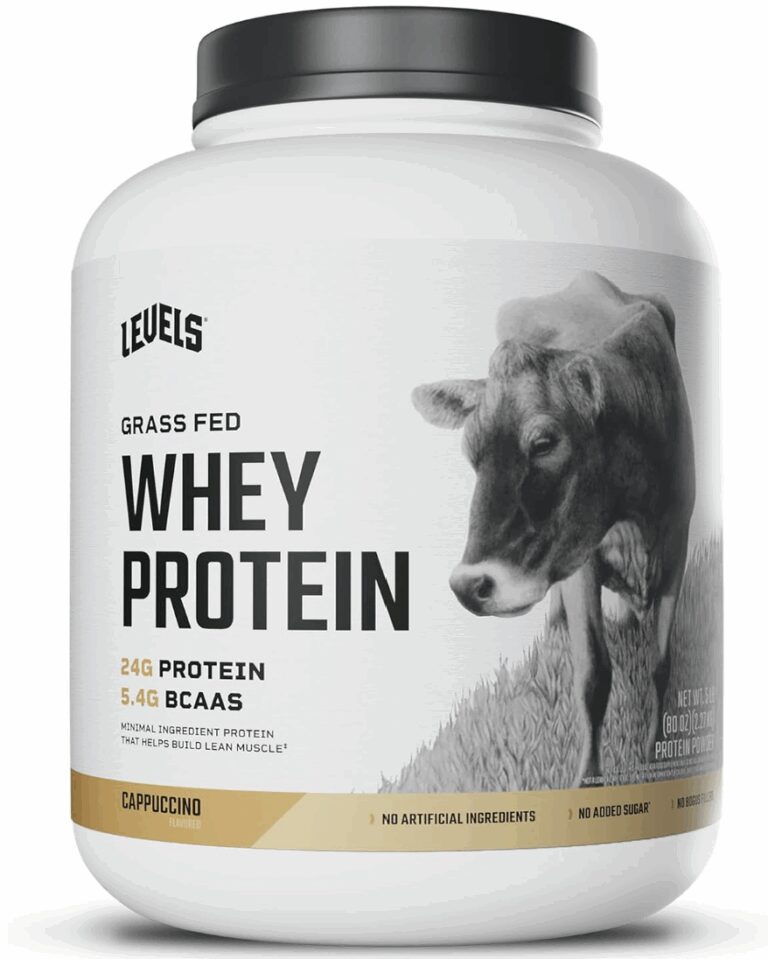
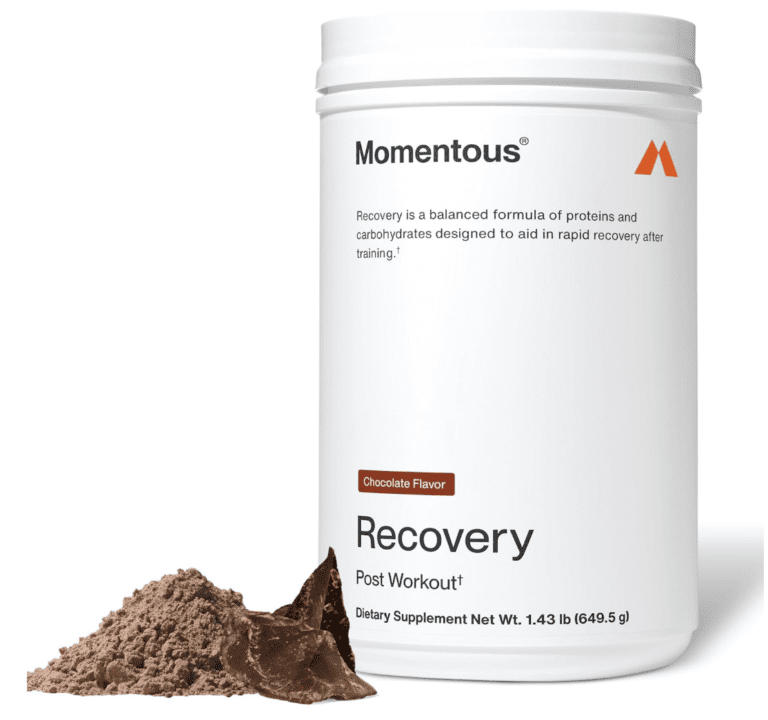
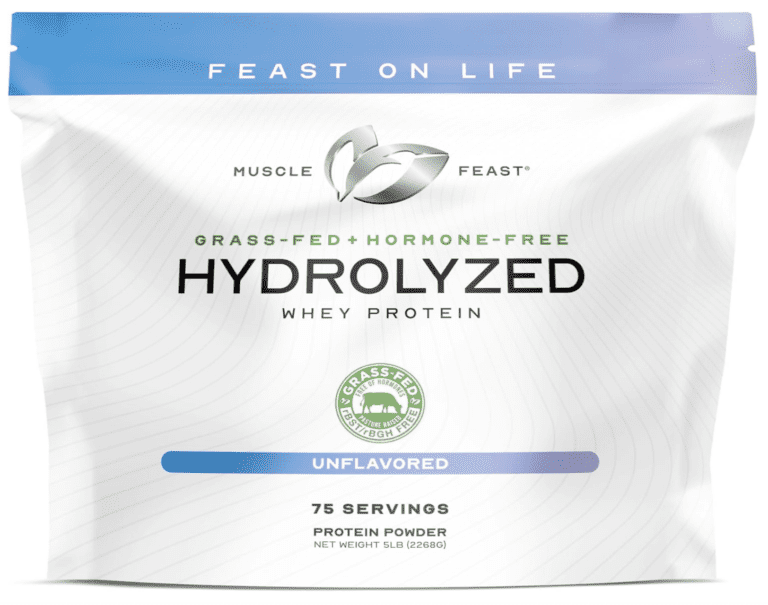
Olympian Labs Beef Protein Isolate is a high-threshold performance asset engineered for athletes who require a dairy-free payload to facilitate muscle growth without lactose interference. Sourcing hydrolyzed beef protein from grass-fed cattle, this gear actively supports mechanical tissue repair and total daily protein maintenance for those on carnivore or paleo protocols. We analyzed the 24g protein concentrations and the BSE-free certification to determine if this premium choice actually upgrades your recovery infrastructure.
Performance & Affiliate Disclosure: I’m here to help you find gear that actually works. As an Amazon Associate, I earn from qualifying purchases at no extra cost to you. Medical Warning: This isn’t medical advice. I’m analyzing the biological mechanics of these supplements, not writing you a prescription. These statements haven’t been evaluated by the FDA. If you have a pre-existing condition, don’t be a hero—talk to a professional first.
Olympian Labs Beef Protein Isolate Overview & Key Specs
Olympian Labs Beef Protein Isolate ignores the “milk-only” trend to focus strictly on a complete animal-based apparatus. While standard whey protein types dominate the market, this asset utilizes hydrolyzed beef aminos to support lifters who have declared war on lactose. The 2026 formula is optimized for gastric comfort, bypassing the bloat common in cheaper dairy concentrates.
- Protein Source: 100% Hydrolyzed Beef (Grass-Fed)
- Protein per Payload: 24g
- BCAA Content: 2g (Leucine, Isoleucine, Valine)
- Key Advantage: Lactose-free, gluten-free, and Paleo/Carnivore-friendly
The Reality Check: How Beef Protein Performs
Beef protein isolate works differently than whey; it’s about sustained recovery aminos rather than immediate insulin spikes. While 24g is a solid payload, the lower BCAA count means leucine-triggered growth is less intense than in a hydrolyzed whey. However, the inclusion of natural collagen peptides actively supports joint and skin integrity, making this a superior gear choice for the high-volume grinder.
Plugging this into a post-workout protein protocol is effective for hitting your macros, but its slower digestion speed makes it a better choice for meal replacements or before bed. It provides foundational amino infrastructure without the “bubble gut” associated with dairy. It is pure, unadulterated carnivore fuel.
“Beef protein is a tool for a specific problem: dairy intolerance. If you digest whey fine, there’s no mechanical advantage to switching. But if dairy trashes your stomach, this is a legitimate asset that supports your protein timing and helps build a frame that won’t quit.”
— Eugene Thong, CSCS
Olympian Labs Beef Protein Isolate Targets: Who Wins
This equipment is for the lifter whose digestive system has declared war on the milk-industrial complex. It is a staple for those following a resistance training program while maintaining strict paleo boundaries. If your goal is 30-day muscle growth, consistency in protein intake is king—and that’s hard to do if your current shake makes you sick.
The Beef Isolate Is Perfect For:
- The Dairy-Intolerant: Get animal aminos without the lactose fallout.
- The Protein Rotator: Diversify your nutritional infrastructure beyond whey and plant.
- The Slow-Release Seeker: Sustained release similar to casein but without the milk source.
Beef Protein vs. The Field (2026 Comparison)
| Asset | Protein Payload | Digestion Speed |
|---|---|---|
| Olympian Beef | 24g | Medium-Slow |
| Whey Isolate | 25g+ | Fast |
Final Verdict: Is Olympian Labs Beef Protein Worth It?
Yes. If your life demands a dairy-free animal protein to bypass a training plateau, Olympian Labs Beef Protein Isolate is an elite biological tool. It provides the foundational amino density necessary to support your gains when dairy is off the table. It outperforms plant options for those who value mechanical protein quality and joint support.
The Bottom Line: Beef Isolate executes its mechanical goal flawlessly. Stop setting your digestion on fire with whey if it doesn’t work for you. Upgrade the asset.
Verdict: Clean Beef Power. No Milk.
Ready to support maximalist tissue growth without the dairy fallout? Secure your beef payload via the link below.