Crunches build the muscle that makes your waist wider; anti-rotation exercises build the stability that makes it tighter.
This is the 2026 wide waist correction protocol. We’re killing the flexion myth and deploying the stability drill that actually works: resisting force, not creating it. This is the core reprogramming you need before you waste another rep.
Disclaimer: You’re here to find a plan that’ll get you results, and I’m here to help. Consult a physician before starting any new exercise program. This guide is based on fundamental training principles, not medical advice.
Why Crunches Make Your Waist Wider (The Flexion Trap)
Traditional crunches and sit-ups hypertrophy your rectus abdominis (the “six-pack” muscle), adding muscular thickness to your core. You’re literally building a thicker slab of muscle around your midsection. For a wide waist, this is the opposite of your goal. Furthermore, excessive spinal flexion under load can compromise disc health and reinforce poor posture. For a complete movement library, see our exercise database hub.
- Muscle Hypertrophy: The rectus abdominis grows like any other muscle when trained for size (high reps, volume).
- Increased Girth: More muscle mass = wider anatomical cross-section. Simple physiology.
- Poor Function: The core’s primary job is stability and force transfer, not endless spinal curling.
The Anti-Rotation Advantage: Stability Over Size
Anti-rotation exercises train your core to resist unwanted movement, creating a tighter, more resilient midsection without adding bulk. Think of your core as a rigid cylinder. Anti-rotation work strengthens all the muscles (abs, obliques, transverse abdominis, lower back) to hold that cylinder stable under load. This improves posture, protects your spine, and visually creates a narrower, more controlled waistline.
1. The Pallof Press: The Gold Standard
The Tall-Kneeling Pallof Press is the definitive anti-rotation exercise. You fight a cable or band trying to twist your torso. Your entire core fires to prevent rotation. This builds functional stiffness, not showy muscle. Master the iso-hold version for time under tension.
2. Anti-Lateral Flexion & Anti-Extension
Complement anti-rotation with exercises that resist bending sideways or arching backwards.
- Anti-Lateral Flexion: Walking Farmer’s Carries. The offset load forces your obliques to fire hard to stay upright.
- Anti-Extension: Ab Wheel Rollouts or Stability Ball Rollouts. These challenge your anterior core to prevent your lower back from sagging.
“For waist correction, the goal is to enhance intra-abdominal pressure and 360-degree stability, not to add contractile mass to the rectus abdominis. Anti-rotation training like Pallof presses and loaded carries develop the deep stabilizers—the transverse abdominis and obliques—which act as a natural weight belt, pulling everything in taut.”
— Charles Damiano, B.S. Clinical Nutrition
Best Ab Exercises for a Narrower Waist: The 2026 Hierarchy
Not all core work is created equal. This table gives you the exercises by their impact on waist aesthetics and function. Prioritize the top of the list. Integrate foundational movements like the Dead Bug for technique.
The Wide Waist Correction Routine (8 Weeks)
This 8-week protocol replaces crunches with stability work, performed 2-3 times per week after your main training. Focus on perfect form and resisting movement. The weight is secondary to control. Pair this with smart nutrition for a defined midsection.
Phase 1: Foundation (Weeks 1-4)
- A. Tall-Kneeling Pallof Press: 3 sets of 8-10 reps per side (2-second hold at full extension).
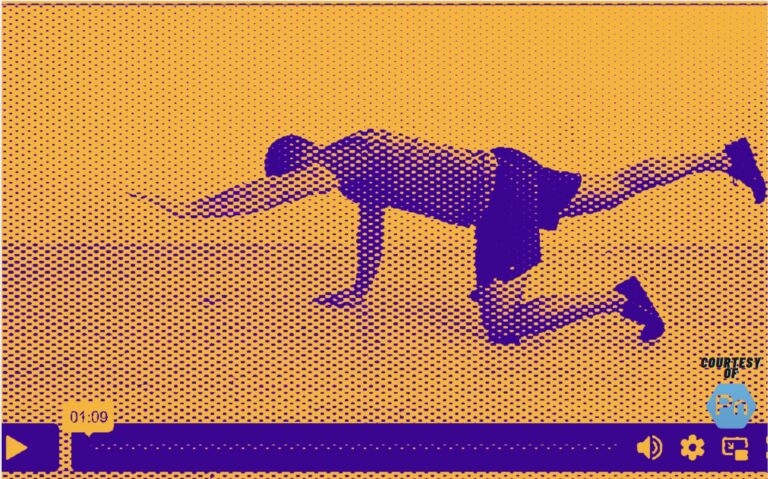
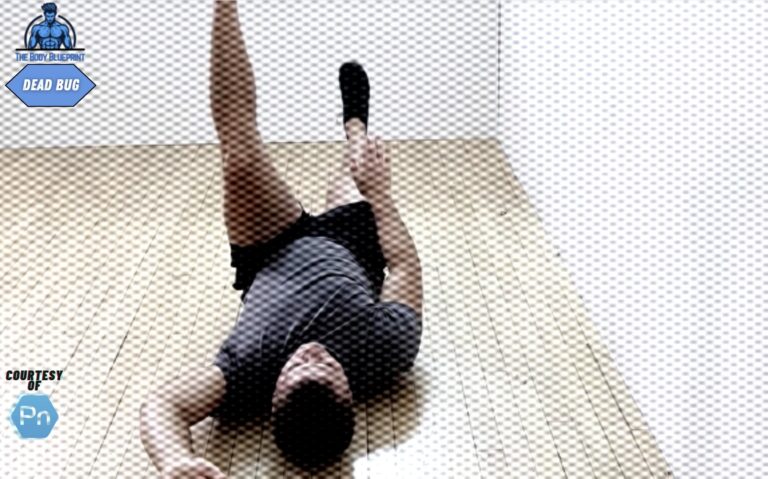
- B. Dead Bug: 3 sets of 10 controlled reps per side.
- C. RKC Plank: 3 sets, hold for 30-45 seconds (focus on maximal tension).
- D. Farmers Carry: 3 walks of 40 meters.
Phase 2: Integration & Load (Weeks 5-8)
- A. Tall-Kneeling Overhead Pallof Press: 3 sets of 6-8 reps per side (increased leverage).
- B. Ab Wheel Rollout: 3 sets of 8-10 reps (from knees, prevent sag).
- C. Single-Arm Split-Stance Cable Row: 3 sets of 10 reps per side (anti-rotation under pull).
- D. Single-Arm Bottoms-Up Carry: 3 walks of 30 meters per arm.
3 Mistakes That Keep Your Waist Wide
Avoid these errors to ensure your training pulls your waist in, not pushes it out. For related postural fixes, incorporate the Deep Neck Flexor Activation.
1. Over-Relying on Spinal Flexion
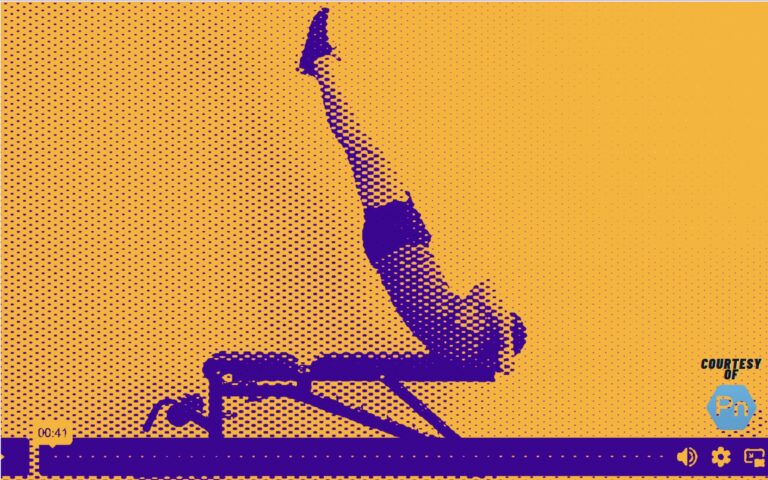
If your core work is 80% crunches, leg raises, and sit-ups, you are programming for width. Limit flexion exercises to 1-2 sets per week, if at all. Make anti-movement the cornerstone. For oblique development without bulk, use Landmine Rotations with light weight and high control.
2. Neglecting Diaphragmatic Breathing & Bracing
You can’t have a stable core without proper breathing. Your diaphragm is the top of the cylinder. Practice 90/90 Wall Balloon Breathing daily. Learn to brace your core (like preparing for a punch) during all heavy lifts and core work.
3. Poor Overall Posture & Lat Dominance
Overdeveloped, tight lats can pull your shoulders into a rounded position, flaring your ribs and widening your appearance. Prioritize Cross-Body Lat Mobilizations. Strengthen your mid-back with Face Pulls. Stand tall.
The Bottom Line: Resist, Don’t Crunch
A narrow, strong waist is built by resisting forces—rotation, lateral bending, extension. Ditch the crunches. Master the Pallof press, own the loaded carry, and breathe behind the brace. The visual change is a side effect of superior function.
Wide Waist Correction FAQ
Will this routine make my abs disappear?
No. It will make them more functional and can improve definition by reducing superficial bulk and improving muscle engagement. For visible abs, manage body fat through nutrition.
How long until I see a difference?
Postural and feel-based changes: 2-4 weeks. Visual changes in waist measurement: 6-8 weeks with consistent training and nutrition.
Should I do any crunches?
Minimally. If you must, treat them as a finisher with very light load (e.g., cable crunches) for 1-2 sets of 15-20 reps, not a primary mover.
What about weights for anti-rotation?
Start bodyweight or with light bands. Add load only when you can perform 3 sets of 10-12 reps with perfect, rigid form. Quality of resistance beats quantity of weight.