Washboard abs are forged by anti-rotational and full-tension core strength, not endless crunches. This is the 2026 advanced challenge. We’re cutting through the cable crunch hype to deliver the brutal protocol: progressive overload for your midsection, integrated bracing, and exercises that build armor, not just aesthetics. This is the system you need when planks feel like a warm-up.
Disclaimer: You’re here to find a plan that’ll get you results, and I’m here to help. Consult a physician before starting any intense new training program. This guide is for athletes with a strong foundation, not beginners.
The Advanced Core Mindset: From Show to Go
Your core’s primary job is to resist motion, transfer force, and protect your spine under maximal load. Forget flexion. Think fortification. Aesthetics are a byproduct of this function. Your training must shift from “feeling the burn” in your rectus abdominis to creating full-body tension and battling rotation under fatigue. This is what separates a strong midsection from an ornamental one.
- Rule #1: Train Anti-Movement. Resist rotation, extension, and lateral flexion first. Create stability.
- Rule #2: Progressive Overload is Non-Negotiable. Add weight, time under tension, or instability weekly.
- Rule #3: Full-Body Integration is Key. Your core doesn’t work in isolation. Train it during heavy carries, squats, and presses.
- Rule #4: Breathing & Bracing are Skills. Master 90/90 Wall Balloon-Breathing to own intra-abdominal pressure.
Advanced Core Training Principles
Advanced core training manipulates leverage, adds external load, and introduces instability to challenge the entire cylinder. You’re not doing more crunches; you’re making simple movements brutally hard. Progression follows a clear hierarchy: Master bodyweight leverage, then add weight, then reduce stability.
- Increase Leverage: Move the center of mass further from the fulcrum (e.g., from a knee Ab Wheel Rollout to a standing rollout).
- Add External Load: Hold a weight plate, wear a weight vest, or use bands for resistance (see Band-Resisted Ab Wheel Iso).
- Reduce Stability: Perform exercises on unstable surfaces (rings, TRX, stability balls) or in split-stance positions.
- Increase Time Under Tension: Add isometric holds at the point of max contraction or stretch.
The Exercise Arsenal: Advanced Movement Categories
Advanced core work falls into four categories: Anti-Extension, Anti-Rotation, Anti-Lateral Flexion, and Integrated Dynamic. You need exposure to all four. The table below ranks the most effective tools. For complete tutorials, click any exercise name.
1. Anti-Extension & Flexion (Front Core)
These exercises challenge your anterior core’s ability to prevent lower back hyperextension and control spinal flexion. The goal is maintaining a neutral spine against a force trying to pull it into extension. The Ab Wheel Rollout is the king. Progress to Dragon Flags for ultimate leverage.
2. Anti-Rotation (Oblique & Deep Core)
Anti-rotation exercises like the Pallof Press train your obliques and deep stabilizers to resist twisting forces. This is the most critical category for real-world strength and injury prevention. Master the Tall-Kneeling Pallof Press before moving to split-stance or half-kneeling variations.
3. Anti-Lateral Flexion (Side Core)
These movements build the lateral armor of your core to resist side-bending under load. Think heavy Farmer’s Carries with uneven weights or advanced side plank variations like the Stir-The-Pot on a stability ball.
4. Integrated Dynamic & Gymnastic Core
These movements require your core to dynamically stabilize while generating force through the limbs. This is elite-level integration. Exercises like the Turkish Get-up and Windmill demand total body tension and control.
“For advanced athletes, the core is a stabilizer, not a prime mover. The focus must shift from crunches to exercises that teach the abdominal wall and obliques to create stiffness under load. This translates directly to heavier squats, safer deadlifts, and explosive athletic power.”
— Eugene Thong, CSCS
The Challenge: Sample Brutal Core Workouts
These workouts are built on density and progressive overload. Complete them 2-3 times per week, separate from heavy lifting days. Rest 60-90 seconds between sets. Track your times and weights to ensure progress.
Workout A: The Anti-Movement Gauntlet
Focus: Pure stability under fatigue. No dynamic reps, only holds and resists.
- A1. Ab Wheel Iso Hold: 3 sets of 30-45 second holds at max stretch.
- A2. Tall-Kneeling Pallof Press Iso: 3 sets of 20-30 second holds per side at full extension.
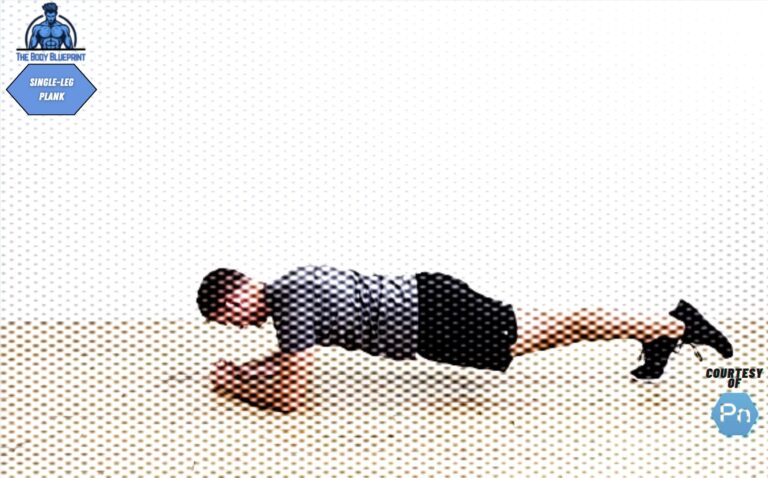
- B1. Single-Leg Plank: 3 sets of 45-60 second holds per leg.
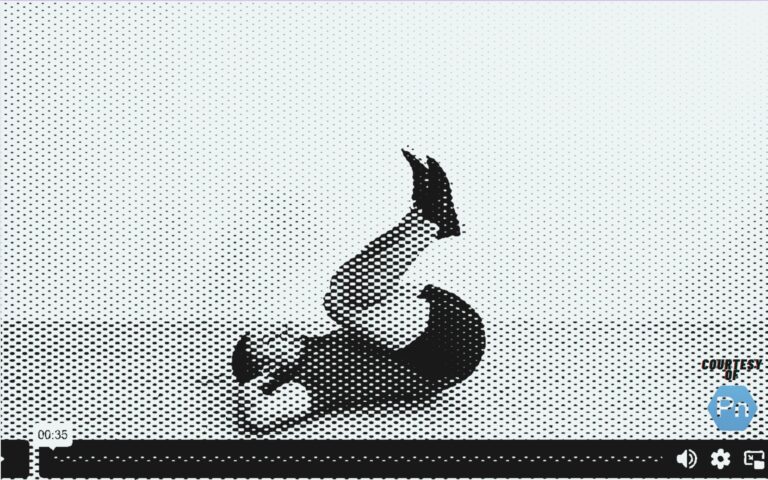
- B2. Weighted Dead Bug: 3 sets of 10-12 slow reps (hold a 10-25lb plate).
Workout B: The Loaded & Dynamic Grind
Focus: Controlling dynamic movement under significant load or instability.
- A1. Weighted Ab Wheel Rollout: 4 sets of 6-8 reps (wear a weight vest).
- A2. Suitcase Carry: 4 carries of 40 meters per arm (heavy as possible).
- B1. Stability Ball Rollout: 3 sets of 10-12 reps.
- B2. Turkish Get-up: 3 sets of 3 reps per arm (focus on slow, controlled tension).
Full-Body Integration: The Real Test
Your core is truly tested under a heavy barbell, not during isolation work. The final step is applying your advanced bracing and stability to your primary lifts. This is where strength becomes visible.
- During Heavy Squats & Deadlifts: Practice the brace you learned from 90/90 Breathing. Push your abs out against your belt.
- During Overhead Presses: Maintain full-body tension from your glutes to your abs. Perform Barbell Overhead Shrugs to train stability in the lockout position.
- During Pull-ups & Rows: Prevent your ribs from flaring. Keep your core engaged and body rigid. Try Bent-Over Dumbbell Rows with a strict, braced torso.
- Carry Everything: Finish lifting sessions with heavy Waiter’s Carries, Goblet Carries, or mixed-grip carries to crush your core under full-body fatigue.
Common Advanced Mistakes
These errors keep your core weak despite hard training. Eliminate them.
1. Prioritizing Flexion Over Stability
More sit-ups won’t build a stronger core for lifting. You need more anti-movement work. The ratio should skew 3:1 in favor of stability exercises vs. flexion.
2. Poor Breathing & Bracing Mechanics
Holding your breath and bearing down (Valsalva) is different from a controlled brace. You must master diaphragmatic breathing to create 360-degree pressure. This is the foundation.
3. Neglecting the Posterior Chain Link
Your glutes are part of your core’s foundation. A weak posterior chain forces your abs to overcompensate. Pair core work with Barbell Hip Thrusts and Banded Hip Extensions.
4. Ignoring Progressive Overload
If you’re still doing the same plank time you did six months ago, you’ve stopped getting stronger. Add weight, add time, reduce stability. Track it.
The Bottom Line: Build a Fortress, Not a Facade
Advanced core strength is the difference between lifting heavy and lifting heavy safely for decades. Shift your mindset from flexion to fortification. Attack the exercise categories, follow the brutal workouts, and integrate that stiffness under the bar. The washboard abs are simply the visible proof of the armor beneath.