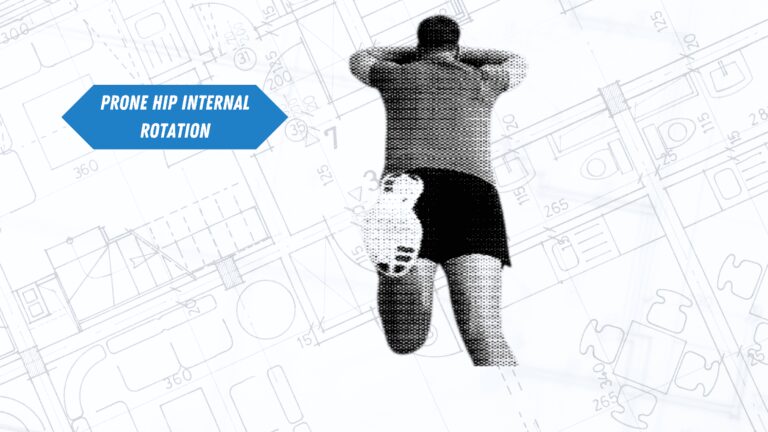
Glute isolation exercises are the specific mechanics required to develop posterior chain power and hip stability without increasing quad dominance.
You’re likely hitting the rack for heavy squats only to find your jeans getting tight in the thighs while your glutes stay flat. This 2026 index maps the high-utility hinge patterns and abduction movements needed to target the gluteus maximus and medius directly for a shapelier silhouette. We’re cutting the fluff to deliver the exact tension cues and leverage points for improved structural integrity without adding unnecessary leg bulk.
Disclaimer: Physical training requires proper form to ensure joint safety. This guide focuses on mechanical muscle stimulation, not medical correction. For the full technical breakdown on fuel, visit our Protein Hub.
The 2026 Glute Isolation Index: Target the Glutes, Spare the Quads
How to use this library: Use the search bar in the table below to filter by equipment—like resistance bands or cables—to find movements that minimize thigh involvement. Every exercise is chosen for its ability to maximize “hip extension” while keeping the knees relatively static to prevent quad takeover.
The Science of Isolation: Why Your Quads Are Taking Over
Quad dominance happens when your brain defaults to using your thigh muscles for movements that should be driven by your hips. If you only perform traditional leg exercises like lunges or back squats, the massive mechanical load often bypasses the glutes entirely.
To solve this, we focus on isometric stability and short-lever movements. By reducing the “knee bend” and increasing the “hip hinge,” you force the posterior chain to do the heavy lifting. This strategy is foundational for anyone looking to build muscle in specific areas without altering their overall leg proportions. If you’re looking for even more variety, check out our glute workouts without hip thrusts.
Glute Isolation FAQ: Quick Fire Answers
Can I grow my glutes without my legs getting bigger?
Yes, by prioritizing “isolation” over “compound” movements. Exercises like cable kickbacks and glute bridges minimize the demand on the quadriceps. This allows you to drive recovery and growth to the glutes specifically.
Do I need heavy weights for glute isolation?
High tension is more important than high weight. Because the glutes respond well to metabolic stress, you can see significant results using bodyweight progressions and high-rep band work, provided you master the “squeeze” at the top of each rep.
How often should I train glutes for isolation?
Frequency is key for “waking up” sleepy glutes. Most athletes find success training these isolation moves 3-4 times a week as “finishers” or as part of their functional training routine to improve hip stability.
The Bottom Line: Precision Over Power
Developing a bigger butt without big thighs isn’t about working harder; it’s about working smarter. Use this index to stop “guessing” in the gym and start targeting the right muscles with surgical precision. Consistency is the only requirement.