Fixing “pancake butt” requires a strategic focus on muscle density in the posterior chain and improved hip stability. This 2026 guide maps the high-utility hinge patterns and glute isolation cues needed to build a visible shelf and support lower-body mechanics. We’re cutting the fluff to deliver the exact tension-based movements for a rounder, perky look that maintains structural integrity under load. This is your foundational roster for mastering progressive overload and developing a powerhouse foundation.
Disclaimer: This content is for informational purposes only. “Pancake butt” usually refers to muscle atrophy or postural habits; consult a professional for chronic hip or back issues. For technical data on muscle repair, see our Recovery Hub.
Building the Shelf: Mechanics Over Fluff
Developing a rounder booty isn’t about high-rep kickbacks; it’s about mechanical tension in the hinge and squat patterns. Most “mom butt” issues stem from inactive glutes and long periods of sitting. To see actual glute growth, you must master the hip hinge and prioritize compound exercises that force the gluteus maximus to carry the load.
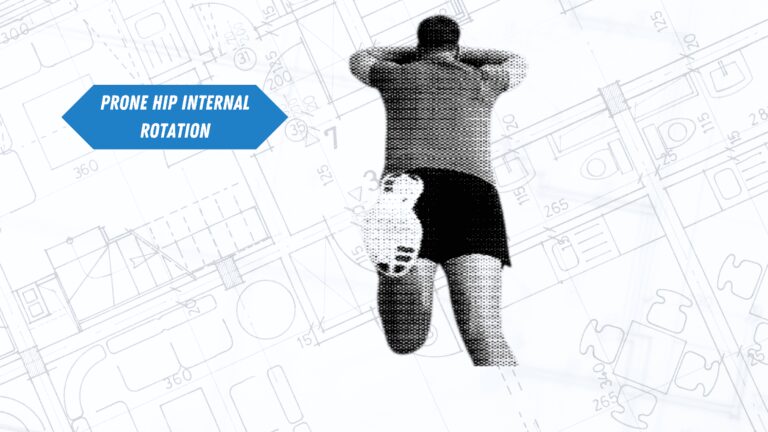
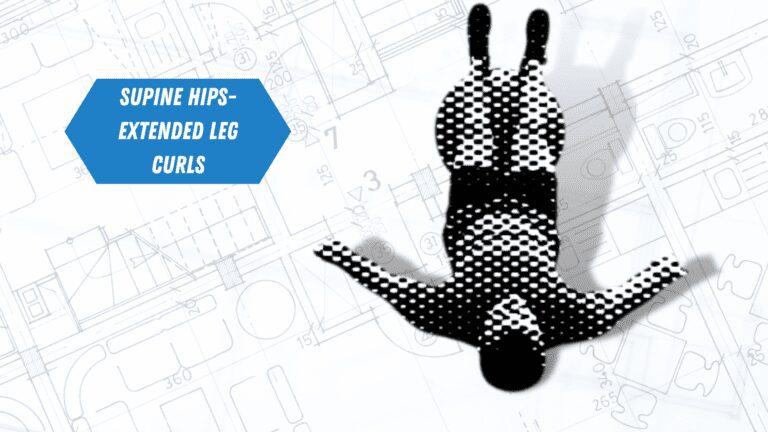
The 2026 Glute Growth Table: Building the Roster
How to use this index: Prioritize one “Heavy Hitter” and one “Stability Focus” per workout. Use the search bar to filter by equipment like dumbbells or bodyweight only.
Fueling the Shelf: Anabolic Calories
You cannot build a rounder booty in a massive calorie deficit. Glute growth requires substrate—specifically high-quality amino acids to repair the tissue you break down in the gym.
- Protein Requirements: Aim for 1g of protein per pound of bodyweight. See our High Protein Blueprint.
- Energy Support: Use creatine monohydrate to support ATP regeneration for those heavy thrusts and deadlifts.
- Recovery: Don’t skip the sleep optimization—your glutes grow while you rest, not while you work.
The Logistics of Glute Growth
Consistency beats “intensity” hacks. To fix pancake butt, you need a high-frequency approach to building muscle. Focus on 2-3 dedicated glute sessions per week, ensuring you hit both the hinge and the squat patterns. If you don’t have a gym, check out our glute workouts without hip thrusts for home-based alternatives.
The Bottom Line: Master the Mechanics
Building a shelf isn’t magic; it’s mechanical tension. Use this guide to master the hinge, hit your protein goals, and stop overthinking the “influencer” moves. Stick to the basics, lift heavy, and watch the shelf grow.