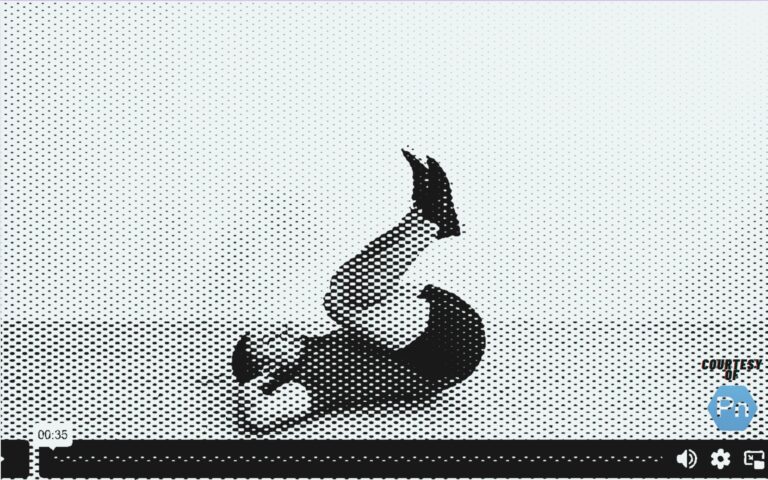
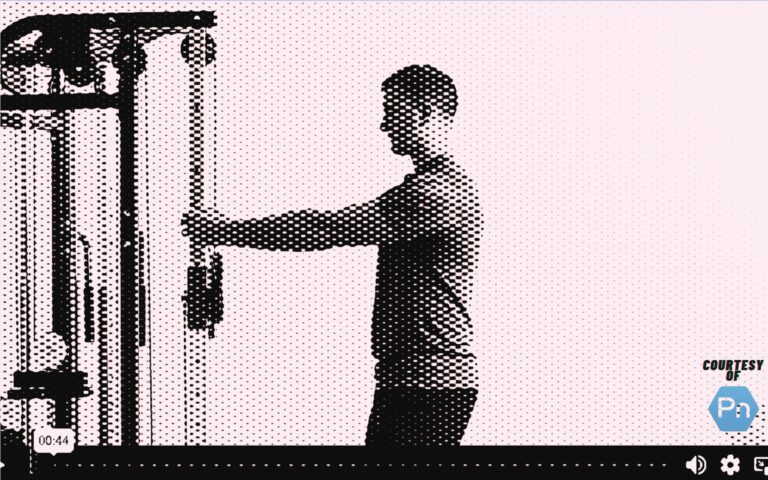
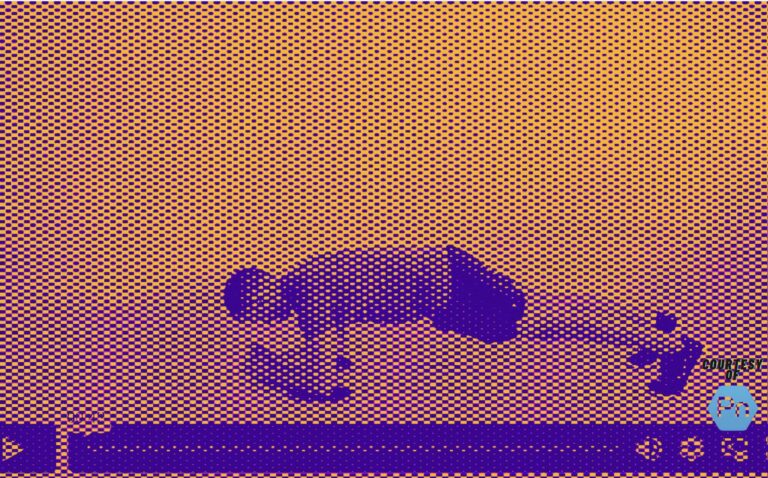
Ab exercises are the mechanical drivers of trunk stability, force transfer, and midline structural integrity.
This 2026 technical index strips away the high-rep “crunch” fluff to deliver a high-yield database of spinal bracing and anti-rotation movements. We’re mapping the exact tension cues and leverage points required for both functional performance and deep abdominal density. This is your foundational roster for mastering midline tension under heavy athletic load.
Disclaimer: Developing visible abs requires a comprehensive approach to body composition and metabolic health. These exercises focus on the mechanical strength of the core; consult a professional before beginning a high-intensity training regimen. See our six-pack nutrition guide for more.
The 2026 Abdominal Index: Mechanics vs. Aesthetics
How to use this library: Filter by “Mechanism” to target specific stability patterns like anti-rotation or anti-extension. While many focus on “burning” fat, the goal here is to drive core strength and hypertrophy of the rectus abdominis and obliques. For those looking to maximize aesthetics, ensure your fat loss protocols are dialed in alongside this training.
The Logic of Midline Tension
True ab strength is about resisting movement as much as creating it. By prioritizing functional core movements like the Pallof Press or the Dead Bug, you build a “chassis” that can handle heavy compound lifts.
If your goal is to get visible abs, you must combine this mechanical work with high-quality protein intake to support muscle density. For those coming from a Golden Era perspective, remember that deep abdominal etching is built through high-tension holds and consistent progressive overload.
Ab Exercise FAQ: Quick Fire Answers
Can ab exercises alone burn belly fat?
No. Ab exercises build the muscle, but metabolic health and caloric balance drive visibility. You cannot “spot reduce” fat. To reveal your core, you need to manage total body composition through nutrition and intelligent cardio.
What is the most effective ab exercise for stability?
Research consistently points to movements that require anti-extension and anti-rotation. Exercises like ring planks and waiter’s carries provide high-intensity stimulus to the transverse abdominis and obliques, far exceeding the benefits of traditional sit-ups.
How often should I train my abs?
The core can be trained frequently, but it still requires recovery. Most athletes find success with 3-5 sessions per week, often utilized as a “filler” between sets of leg movements or as a dedicated high-intensity finisher.
The Bottom Line: Build the Chassis
Stop chasing the “burn” and start chasing tension. A durable midline is the foundation for every heavy lift and explosive movement in your arsenal. Build the muscle, dial in the nutrition, and the results will follow.