Prone Hip External Rotation is the forgotten glute activation drill that fixes squat form, builds hip stability, and carves the side glute. This is the 2026 performance hack. We’re cutting through the hip abduction machine fluff to target the deep external rotators—the piriformis, gemelli, and obturators. This isn’t rehab; it’s prehab for heavier squats, better aesthetics, and bulletproof hips. Master the movement here.
Disclaimer: This is a performance guide, not medical advice. Consult a physician or physical therapist if you have acute pain or a known injury. Focus on controlled movement and stop if you feel sharp pain.
Prone Hip ER Benefits: The Performance & Aesthetic Edge
Prone Hip External Rotation directly targets the deep lateral rotators, the key stabilizers most lifters ignore. This isn’t about moving weight; it’s about creating the muscular scaffolding for bigger lifts and better shape. Strong external rotation equals stable hips under a heavy bar. For a complete system, see our Performance Recovery hub.
- Improved Squat & Deadlift Mechanics: Prevents knee cave (valgus). Allows for proper torque and depth in the barbell back squat.
- Glute Medius & Posterior Chain Development: Isolates the side glute (glute medius) for rounded, aesthetic development and better lockout on the trap bar deadlift.
- Hip Stability & Injury Resilience: Fortifies the hip capsule. Reduces risk of IT band syndrome, piriformis issues, and lower back compensation.
- Enhanced Mind-Muscle Connection: Teaches conscious control of the deep glutes, translating to better activation in compounds like the barbell hip thrust.
Step-by-Step Form: How to Execute Prone Hip ER
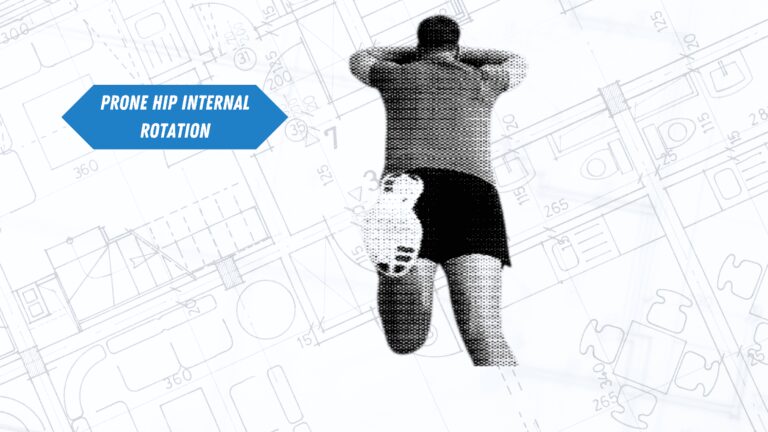
Lie face down, bend your knee to 90 degrees, and rotate your foot outward using only your deep hip muscles. The setup is simple; the execution requires precision. The goal is pure hip rotation, zero lower back or hamstring involvement.
- Setup: Lie prone (face down) on a bench or mat. Forehead can rest on hands. Keep hips pressed into the surface.
- Leg Position: Bend one knee to a strict 90-degree angle. Thigh should stay in line with your torso.
- The Movement: Externally rotate at the hip, lifting the foot outward and up. Imagine pointing the sole of your foot toward the ceiling.
- Contraction: Squeeze the deep glute at the top for a 1-2 second hold. Feel the contraction in the side/back of your hip.
- The Return: Slowly lower with control back to the start position. No momentum.
Form Cues to Live By
- “Heel to Heel.” Think of bringing your heel toward the opposite heel.
- “Hips Glued Down.” Prevent any rocking or hip lift off the bench.
- “Toes Relaxed.” Don’t point your toes; let the foot be passive. The rotation comes from the hip.
“The prone position removes gravity’s assistance and eliminates cheating. It’s a pure diagnostic and strengthening tool for the external rotators. For lifters whose knees collapse in on squats or who have ‘dead’ glutes, this is a non-negotiable activation drill. Do it before lower body days.”
— Eugene Thong, CSCS
Programming & Protocol: Sets, Reps, Frequency
Program Prone Hip ER as a prehab activation drill or a focused accessory movement, not a main lift. Use high reps, light resistance (or none), and perfect form. This is about neuromuscular connection and endurance for stability. For more on building foundational strength, explore our training foundations.
As a Warm-Up / Activation (Pre-Workout)
- Sets/Reps: 2-3 sets of 15-20 controlled reps per side.
- Purpose: Wake up the glute medius and external rotators before squats, deadlifts, or walking lunges.
- Key: Focus on the mind-muscle connection. Pair with other activation like supine glute bridges.
As a Dedicated Accessory (Post-Workout or Off-Day)
- Sets/Reps: 3-4 sets of 12-15 reps per side.
- Purpose: Build endurance and hypertrophy in the deep rotators.
- Progression: Start bodyweight. Add a light ankle weight (2.5-5 lbs) or use a mini-band for resistance once bodyweight is mastered.
- Rest: 30-45 seconds between sets.
How to Integrate into Your Training Program
Add Prone Hip ER to your lower body or full-body days as a first or last exercise. Its role is supportive. Don’t let it fatigue you for main lifts. For comprehensive programming ideas, see our leg exercise library.
Sample Lower Body Day Integration
- A. Warm-Up: Prone Hip ER (2×15/side), Banded Hip Extension.
- B. Main Lift: Barbell Back Squat – 4×6-8
- C. Accessory 1: Barbell RDL – 3×10
- D. Accessory 2: Barbell Hip Thrust – 3×12
- E. Prehab/Stability: Prone Hip ER (with ankle weight) – 3×12-15/side
Complementary Exercises for Hip Stability
Stack Prone Hip ER with these movements for a bulletproof hip complex:
- For Glute Medius: X-Band Walks, Single-Leg Glute Bridge.
- For Overall Hip Strength: Bowler Squats, Lateral Squats.
- For Mobility & Control: Adductor Mobilization, 90/90 Hip Switches.
3 Common Form Mistakes That Kill Effectiveness
Most people turn this targeted drill into a hamstring swing or lower-back tweak. Here’s how to avoid that. Precision beats effort every time. For more on mastering movement, visit our functional exercise guides.
1. Using Momentum & Hamstring Dominance
Swinging the leg up uses hamstrings, not hip rotators. The thigh must not lift off the bench. If your hamstring cramps, you’re cheating. Fix: Slow down. Initiate the movement by thinking about rotating the femur bone in the hip socket.
2. Rotating the Lower Back (Lumbar Spine)
Twisting your spine to get more range means your hips aren’t doing the work. This defeats the purpose and risks your lower back. Fix: Keep your navel pressed into the bench. Movement should only occur at the hip joint.
3. Going Too Heavy Too Fast
Slapping on a 15-lb ankle weight with sloppy form builds nothing but compensation. This is an endurance/stability muscle group. Fix: Master 20 perfect bodyweight reps per side before adding the lightest possible external load.
The Bottom Line: The 5-Minute Hip Insurance Policy
Prone Hip External Rotation is not glamorous, but it’s effective. For 5 minutes of work, you get more stable squats, healthier hips, and better glute development. Add it to your warm-up or cool-down twice a week. Your knees, hips, and squat max will thank you.
Prone Hip ER FAQ
How often should I do this exercise?
2-3 times per week. Ideally on lower body training days as part of your warm-up or accessory work.
Should I feel it in my hamstring or lower back?
No. You should feel a deep, specific burn in the side/back of your hip (gluteus medius/minimus, deep rotators). If you feel it elsewhere, check your form.
Can this help with knee pain?
It can, if the pain is related to poor hip stability and knee valgus (caving in). Strong external rotators help keep the knee tracking properly. However, consult a professional for diagnosed knee issues.
Is there an alternative if I can’t lie prone?
Yes. Seated or sidelying hip external rotations. The Banded External Rotation at 90 Degrees is a great standing alternative.
When will I see results?
Improved mind-muscle connection and stability within 2-3 weeks. Aesthetic changes to the side glute take consistent training over months alongside compound lifts and proper nutrition from our protein guides.