
Omega‑3s are the most proven, high‑impact supplement you can take for joints, brain, and recovery. Most people are walking around underdosed, inflamed, and wondering why they feel stiff, foggy, or slow to bounce back. This guide cuts through the noise and shows you exactly what EPA and DHA do — and which omega‑3 source actually fits your goals in 2026.
Disclaimer: This article provides general information only and isn’t medical advice. Always talk with a qualified professional about your personal health needs.
As an Amazon Associate, I earn from qualifying purchases. If you buy through my links, I get a small commission at no added cost to you. It’s like I get a little something for doing the heavy lifting on research.
Overview: Why Omega‑3s Still Matter in 2026
Omega‑3s are essential fatty acids — your body can’t make them, so you have to get them from food or supplements.
Charles Damiano, B.S. Clinical Nutrition, puts it bluntly:
“EPA and DHA are foundational nutrients. If you’re not eating fatty fish multiple times per week, supplementation isn’t optional — it’s required.”
Eugene Thong, CSCS, adds:
“If you train hard, omega‑3s are recovery insurance. Most lifters are chronically underdosed.”
At a high level, omega‑3s support:
- Joint comfort and mobility
- Muscle recovery after training
- Brain function, focus, and mood
- Heart health and circulation
The rest of this guide breaks down exactly how EPA and DHA do that — and which form of omega‑3 is best for your goals.
EPA vs DHA: What Each One Actually Does
Most labels throw “omega‑3” at you like it’s one thing. It’s not. The two that matter are EPA and DHA.
EPA — The Inflammation Controller
EPA (eicosapentaenoic acid) is the omega‑3 that primarily supports inflammation balance.
- Supports joint comfort
- Helps manage post‑workout soreness
- Supports heart and vascular health
- Plays a role in mood regulation
If you lift, run, or beat yourself up physically, EPA is the workhorse.
DHA — The Brain Builder
DHA (docosahexaenoic acid) is the omega‑3 that’s heavily concentrated in the brain, eyes, and nervous system.
- Supports memory and focus
- Plays a structural role in brain and eye tissue
- Important during pregnancy and early development
- Helps maintain cognitive performance under stress
Charles Damiano sums it up well:
“EPA handles inflammation. DHA handles the brain. A good omega‑3 supplement gives you both in meaningful amounts.”
Benefits: What You Actually Notice from Omega‑3s
Yes, there are hundreds of studies. But here’s what people actually feel when they dial in omega‑3s:
- Less joint stiffness — especially in the morning or after hard training
- Faster muscle recovery — you don’t feel as wrecked after big sessions
- Clearer thinking — DHA supports focus and mental clarity
- More stable mood — EPA helps support a more even “baseline”
- Better heart markers — especially triglycerides, over time
Eugene Thong, CSCS, sees it with his clients:
“Most people don’t realize how much better they feel until they’ve been on a high‑quality omega‑3 for 4–6 weeks.”
Types of Omega‑3: Fish Oil vs Krill Oil vs Algae Oil
All omega‑3 supplements are not created equal. The three main forms are:
Fish Oil (Most Potent & Cost‑Effective)
Fish oil is still the workhorse.
- Highest EPA + DHA per dollar
- Great for athletes and men over 35
- Best choice if you want maximum potency
If you want a short list of winners, see our fish‑oil roundup in the Best Fish Oil guide.
Krill Oil (Best Absorption + No Fishy Burps)
Krill oil binds EPA and DHA to phospholipids, which your body absorbs efficiently.
- Excellent absorption at lower doses
- Very low risk of fishy burps
- Contains astaxanthin, a powerful antioxidant
Krill oil is ideal if you want fewer capsules, better tolerance, and joint support. It’s covered in detail in our krill guides for men and general use.
Algae Oil (Best for Vegans + Cleanest Source)
Algae is where fish get their omega‑3s in the first place. Algae oil cuts out the middleman.
- 100% plant‑based EPA and DHA
- Extremely clean, low‑contaminant source
- No fishy taste or aftertaste
If you’re vegan, vegetarian, or just want the cleanest possible omega‑3 source, high‑quality algal oils like Nordic Naturals Algae Omega are the best play.
Recommended Omega‑3 Supplements of 2026
Below are a few standout omega‑3 supplements that line up with the principles in this guide — high‑quality, properly dosed, and tested.
Sports Research Omega‑3 Fish Oil (Best Overall Fish Oil)

Sports Research Omega‑3 is a high‑potency fish oil in triglyceride form with strong EPA and DHA numbers, third‑party testing, and no nasty aftertaste.
- Best for: Most people who want maximum EPA/DHA per dollar
- Why it stands out: Potent, well‑absorbed, and excellent quality control
Carlson Fish Oil (Best Liquid Fish Oil)

Carlson Fish Oil is a highly regarded liquid fish oil with excellent freshness and strong EPA/DHA per teaspoon. The lemon flavor helps avoid fishy aftertaste.
- Best for: People who prefer liquid over capsules
- Why it stands out: Very fresh, high potency, easy to dose up
Momentous Omega‑3 (Best for Athletes)

Momentous Omega‑3 is NSF Certified for Sport and built for athletes who need clean, reliable EPA/DHA from a brand that works with pros.
- Best for: Competitive and drug‑tested athletes
- Why it stands out: Certified for Sport, clean formula, strong dosing
MegaRed Krill Oil (Best Entry Krill Oil)
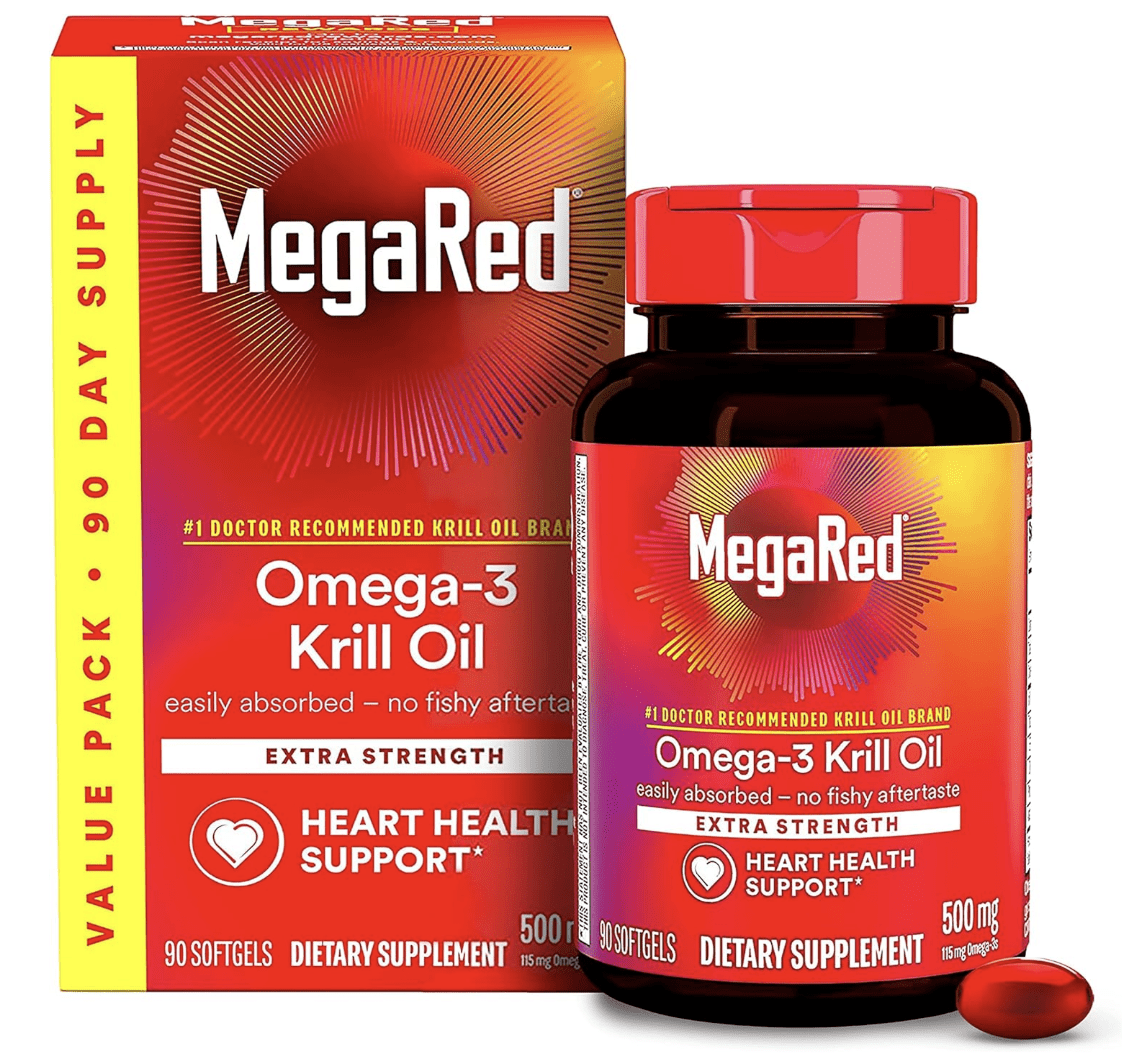
MegaRed Krill Oil delivers phospholipid‑bound omega‑3s with excellent absorption and virtually no fishy aftertaste, plus built‑in astaxanthin.
- Best for: People who hate fish burps but want joint and heart support
- Why it stands out: Great tolerance, easy daily use, strong brand recognition
Bronson Antarctic Krill Oil (Best Budget Krill Option)
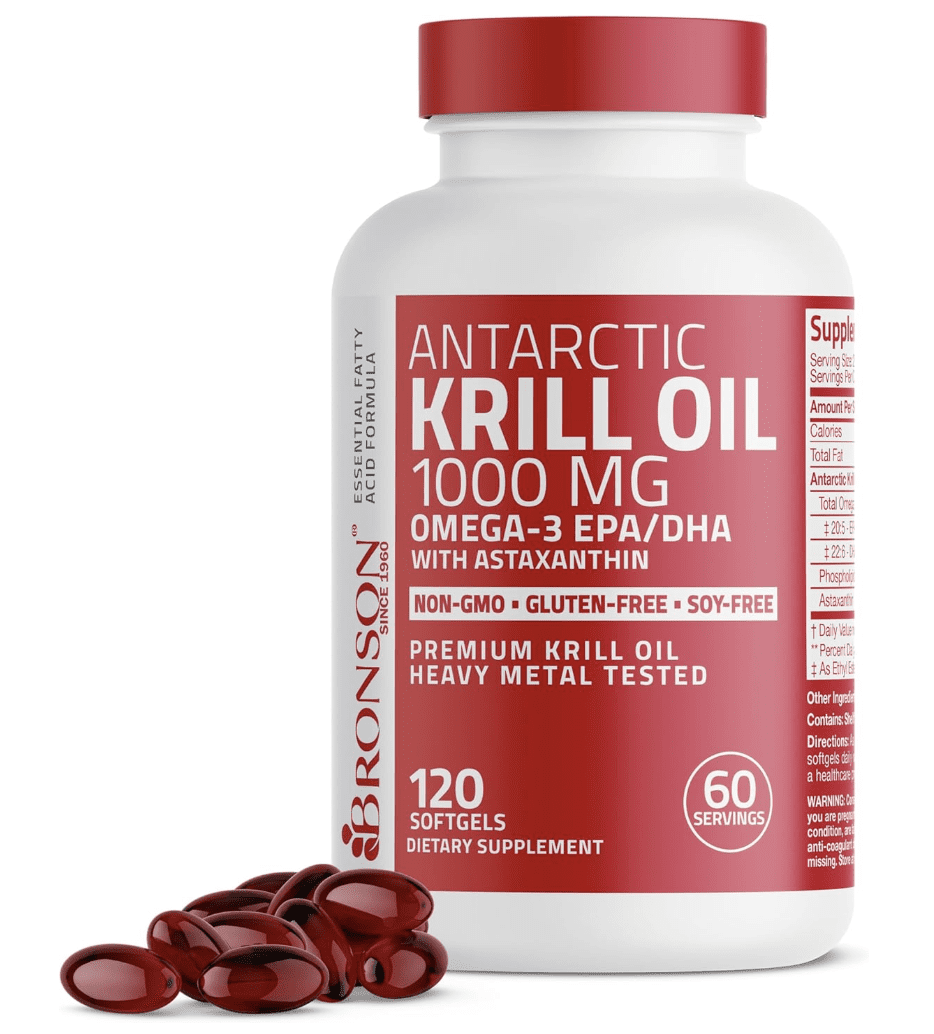
Bronson Antarctic Krill Oil offers a solid krill formula at a more accessible price point while still delivering phospholipid‑bound omega‑3s.
- Best for: Budget shoppers who still want krill benefits
- Why it stands out: Good value for a krill‑based omega‑3
Nordic Naturals Algae Omega (Best Vegan Omega‑3)

Nordic Naturals Algae Omega delivers DHA (and some EPA) from microalgae instead of fish, making it ideal for vegans, vegetarians, and anyone who wants a very clean omega‑3 source.
- Best for: Vegans, vegetarians, and brain‑focused users
- Why it stands out: Pure algal DHA/EPA, no fish, no aftertaste
How to Choose the Right Omega‑3 for Your Goals
If you want:
- Maximum EPA + DHA per dollar → go with a quality fish oil.
- No aftertaste and easy digestion → choose krill oil.
- Vegan or plant‑based EPA/DHA → choose algae oil.
- Joint and inflammation support → higher‑EPA fish oil or krill oil.
- Brain and focus support → higher‑DHA fish oil or algae oil.
Charles Damiano on choosing:
“The right omega‑3 depends on your goals and what you’ll actually take consistently — not just what looks good on a label.”
How Much Omega‑3 You Actually Need
Most people are severely underdosed because they look at “total fish oil” instead of EPA + DHA.
As a general educational guideline:
- General health: many experts target around 1,000–2,000 mg combined EPA + DHA per day from supplements and food.
- Hard‑training athletes / higher demands: often closer to 2,000–3,000 mg combined EPA + DHA per day is used in practice.
Always check the label for actual EPA and DHA content, not just “1,000 mg fish oil.”
Final Verdict
Omega‑3s are one of the highest‑ROI supplements you can take — but only if you choose the right form and dose.
For most people:
- Fish oil is the best starting point (highest potency and value).
- Krill oil is ideal if you want better absorption and no aftertaste.
- Algae oil is the clean, vegan, brain‑focused option.
Dialing in EPA + DHA is one of the simplest ways to upgrade your joint health, recovery, and cognition in 2026 — and it sets the foundation for every other supplement decision you make.