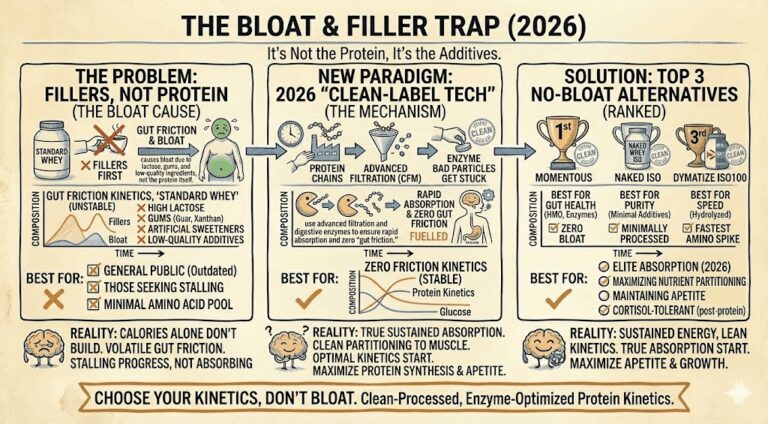
For athletes, lifters, and anyone who reads ingredient labels. A protein powder without preservatives that doesn’t treat your body like a chemical dump site. In your shaker, post-workout, when you need actual muscle repair not a side of artificial junk. Because most protein powder is the nutritional equivalent of a science experiment with a scoop. Let’s break it down.
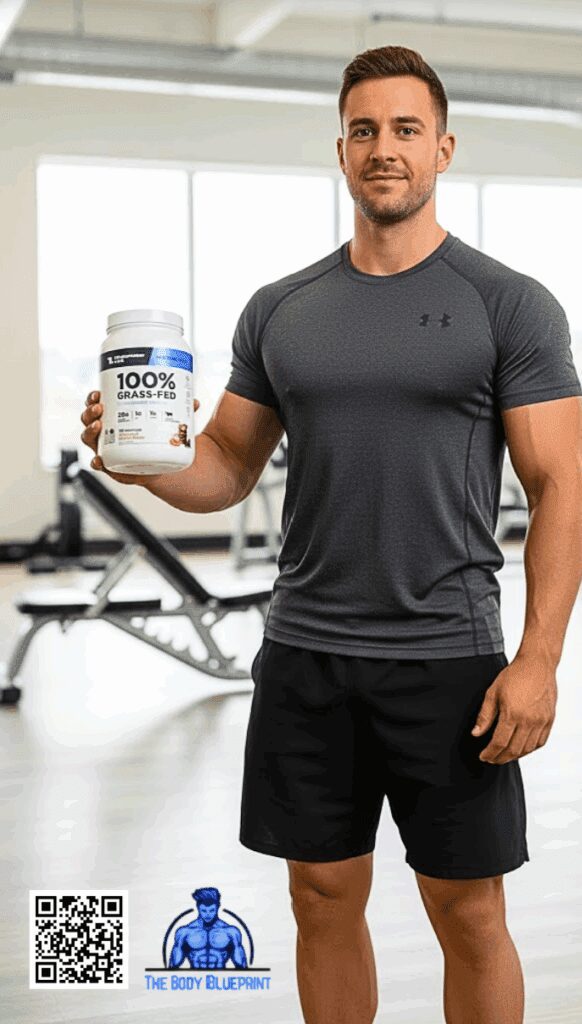
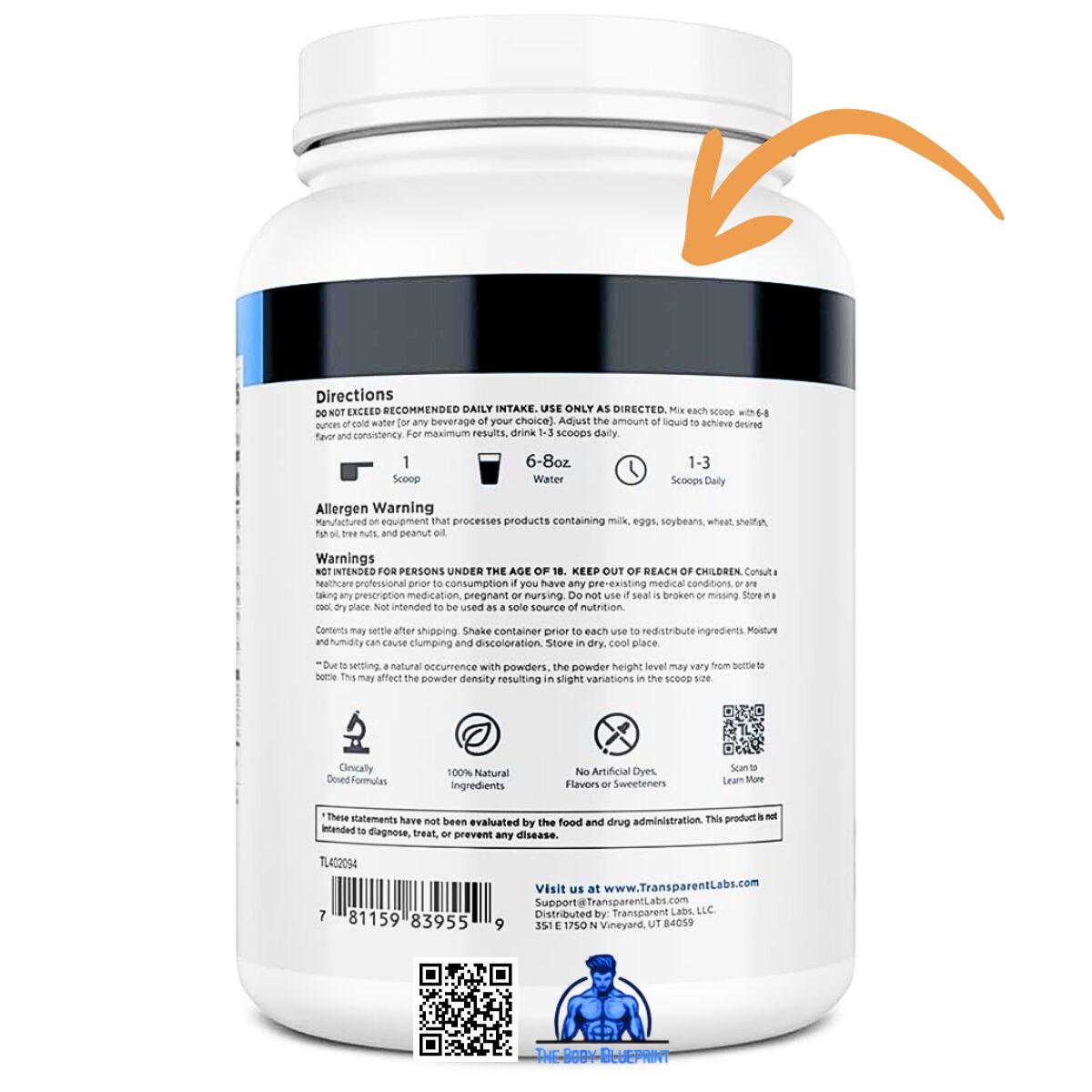
This isn’t another lab-created protein shake filled with stabilizers, emulsifiers, and mystery ingredients. It’s what clean protein supplement should be: additive-free protein from pasture-raised cows. While other companies load their formulas with gums, fillers, and artificial sweeteners, Transparent Labs Grass-Fed Whey Isolate stands apart with total transparency. Every gram is verified without preservatives, without fillers, and without emulsifier junk. You’re not buying a chemistry project—you’re buying pure muscle repair fuel.
👉 Full Disclosure: Links in this article are affiliate links. I earn a small commission if you buy, at zero extra cost to you. This funds the brutal research that goes into these no-BS reviews. Fair trade for saving you from protein chemistry experiments?
Who Needs Preservative-Free Protein (And Who Doesn’t Care)
| CLEAN PROTEIN IS FOR YOU IF… | MAYBE SKIP IT IF… |
|---|---|
| You want natural sports nutrition without additives and without gums. | You think protein is protein and don’t care about chemical stabilizers. |
| You’re serious about performance nutrition and lean muscle support. | You prioritize saving $10 over purity and long-term health. |
| You read labels and avoid artificial sweeteners and artificial colors. | You love that candy-like taste from artificial flavor systems. |
The Engine Room: Why Preservative-Free Matters
Walk down the supplement aisle and you’ll see protein powders with ingredient lists longer than your arm. Carrageenan, xanthan gum, artificial sweeteners, and preservatives—it’s the nutritional equivalent of a chemistry set. Transparent Labs throws that entire business model out the window. Their grass-fed whey is cold-processed protein and microfiltered whey to preserve protein purity, with no artificial anything. This is natural protein powder at its finest.
“The problem with most protein powders isn’t the protein—it’s everything else they add. Emulsifiers like soy lecithin, stabilizers like carrageenan, and artificial sweeteners can disrupt gut health and cause inflammation. A true protein powder without preservatives like Transparent Labs focuses on what’s actually beneficial: pure whey protein isolate with high bioavailability and nothing to interfere with your health,” says Charles Damiano, B.S. Clinical Nutrition.
Think of it like this: you can buy a used car from a sketchy lot where the salesman won’t let you see the engine, or you can buy from a dealer who gives you the full vehicle history. Transparent Labs is the full history. This commitment extends to what’s not in it: no artificial sweeteners, no artificial colors, gluten-free protein, and non-GMO protein. It’s clean, it’s effective, and it won’t turn your stomach into a chemical processing plant.

👉 Real Talk: That’s an affiliate link. I earn a commission if you buy (you pay the same price). This funds the research grind that saves you from protein chemistry experiments. Fair trade?
The Unfiltered Breakdown: Pros & Cons
👍 TRANSPARENT LABS – THE CLEAN PROTEIN:
- True Preservative-Free – No gums, emulsifiers, or artificial stabilizers.
- Superior Amino Profile – Complete essential amino acids for protein synthesis.
- Third-Party Tested – Verified purity from NSF certified facilities.
- Naturally Sweetened – Stevia-sweetened protein and monk fruit protein only.
👎 TRANSPARENT LABS – THE REALITY CHECK:
- Pricier than mass-market proteins (but you’re paying for what’s NOT in it).
- The natural sweetness isn’t as intense as artificial-laden competitors.
- Limited unflavored options for those who want complete control.
👎 THE COMPETITION (Standard Proteins):
- Cheaper upfront cost (but you’re paying for chemical additives).
- Often has more “dessert-like” flavors from artificial systems.
👎 THE COMPETITION – THE HIDDEN COST:
- You’re Drinking Chemicals – Most proteins are filled with stabilizers and preservatives.
- Gut Health Damage – Emulsifiers and gums can disrupt your microbiome.
- Inflammatory Response – Artificial ingredients can trigger immune responses.
How Clean Proteins Actually Compare
| Protein Type | Additives & Preservatives | Best For |
|---|---|---|
| Grass-Fed Whey Isolate | None (Pure protein + natural sweeteners) | Athletes wanting high bioavailability |
| Whey Protein Concentrate | Often contains gums, soy lecithin, artificial sweeteners | Budget-focused users who don’t mind additives |
| Plant-Based Protein (pea protein, brown rice protein) | Often needs gums and emulsifiers for texture | Dairy-free protein users, vegans |
| Organic Protein Powder | Varies widely – some clean, some with additives | Those prioritizing organic sourcing |
| Soy Protein | Often highly processed with multiple additives | Budget plant-based options (soy-free protein avoiders) |
👉 Full Disclosure: That’s an affiliate link. I earn a small commission if you buy, at zero extra cost to you. You get the best price, and you help fund the brutal research that goes into these no-BS reviews. Fair trade for saving you from protein chemistry sets?
5 Clean Protein Questions (Answered Without the Marketing)
A: As Eugene Thong, CSCS, explains: “It’s not about one ingredient being toxic—it’s about the cumulative effect. Your body isn’t designed to process carrageenan, artificial sweeteners, and chemical preservatives multiple times daily. These additives can disrupt gut bacteria, trigger inflammation, and stress your detoxification systems. A clean protein without this junk lets your body focus on what matters: muscle repair and recovery.”
A: Grass-fed whey isolate typically has fewer additives than plant proteins because it doesn’t need as many emulsifiers and stabilizers to achieve good texture. Plant proteins like pea and brown rice often require gums and thickeners to mask their natural graininess and make them mixable. While both can be clean, whey isolate naturally achieves better texture without chemical assistance.
A: As Charles Damiano notes: “While some people are sensitive to stevia, it’s generally recognized as safe and doesn’t have the same metabolic concerns as artificial sweeteners like sucralose or aspartame. More importantly, natural sweeteners don’t come with the same baggage of potential gut microbiome disruption and metabolic confusion that artificial sweeteners do. For a truly clean protein, natural is the way to go.”
A: Not necessarily. While unflavored protein gives you complete control, high-quality naturally flavored options can be just as clean. The key is what’s used for flavoring. Transparent Labs uses actual natural flavors from real food sources rather than artificial flavor systems. Either way, you’re avoiding the chemical cocktail of most commercial proteins.
A: Read the label like a detective. Look for carrageenan, xanthan gum, artificial sweeteners (sucralose, aspartame, acesulfame potassium), artificial colors, and soy lecithin. A truly clean protein will have a short ingredient list: protein source, natural sweeteners, maybe natural flavors, and that’s it. If the ingredient list looks like a chemistry textbook, put it back on the shelf.
My Recommendation
For Clean Protein Seekers: TRANSPARENT LABS GRASS-FED WHEY ISOLATE
👉 Final Reality Check: Yes, these are affiliate links. I earn a commission if you buy, at no extra cost to you. This is what funds the research that uncovers which supplements are actually clean versus which ones are chemical experiments. Thanks for supporting honest reviews!
Final Thought: In the protein game, you’re either the person using the truly additive-free protein that delivers pure muscle repair without chemical side effects, or you’re drinking lab-created mystery blends that treat your body like a science experiment. Transparent Labs Grass-Fed Whey Isolate is a tool. It’s reliable, it’s effective, and it treats you like an adult who understands that protein powder shouldn’t require a chemistry degree to understand. Your choice isn’t about which protein is better; it’s about whether you value purity and long-term health or you’re just paying for expensive chemical cocktails. Now you know. Choose wisely.