
For athletes tired of neon-orange protein shakes that stain everything they touch. This is about finding whey protein without artificial colors that doesn’t treat your body like a chemical experiment. The solution lives in your shaker post-workout, when you need lean muscle support without the synthetic dye cocktail. Because most protein powder is the nutritional equivalent of a toxic waste smoothie. Let’s break it down.
This isn’t about finding another chalky protein—it’s about finding clean protein powder that respects your body. While companies like Optimum Nutrition and MuscleTech dye their products with Red 40 and Yellow 5, Transparent Labs built their grass-fed whey on a foundation of purity. Every scoop of their whey protein isolate is verified free from synthetic dyes and artificial junk. You’re not buying a science project—you’re buying a blueprint for muscle repair without the chemical baggage.
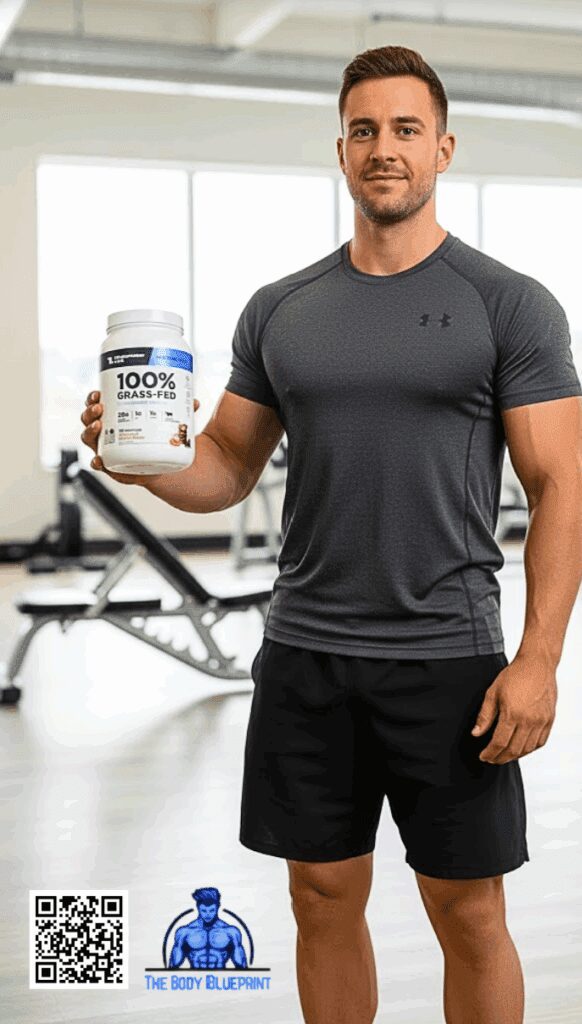
👉 Full Disclosure: Links in this article are affiliate links. I earn a small commission if you buy, at zero extra cost to you. This funds the brutal research that goes into these no-BS reviews. Fair trade for saving you from toxic protein shakes?
Who Should Care About This (And Who Shouldn’t)
| DYE-FREE PROTEIN IS FOR YOU IF… | MAYBE SKIP IT IF… |
|---|---|
| You want protein for sensitive stomachs without chemical triggers. | You think neon-orange protein is “cool” and don’t care about synthetic dyes. |
| You’re a parent buying protein for women or protein for men who care about long-term health. | You’re fine with your protein looking like it came from a chemical plant. |
| You read labels and avoid no Red 40, no Yellow 5, no Blue 1 as a rule. | You prioritize saving $3 over putting petroleum-derived colors in your body. |
The Engine Room: Why Artificial Colors Are Criminal
Walk down the supplement aisle and you’ll see protein powders in radioactive orange, electric blue, and neon green. These aren’t natural colors—they’re petroleum-derived synthetic dyes like Red 40 and Yellow 5 that have been linked to hyperactivity in children and are banned in several countries. Transparent Labs throws that entire business model out the window. Their grass-fed whey uses only natural flavors and gets its color from actual ingredients, not chemical factories.
“The fact that companies still use artificial colors in protein powder is a scandal. These dyes serve zero functional purpose—they’re purely marketing. Meanwhile, research suggests they can cause inflammatory responses in sensitive individuals. Choosing dye-free protein isn’t just about purity; it’s about avoiding unnecessary chemical exposure in your daily protein intake,” says Charles Damiano, B.S. Clinical Nutrition.
Think of it like this: you can buy a used car from a sketchy lot where the salesman won’t let you see the engine, or you can buy from a dealer who gives you the full vehicle history. Transparent Labs is the full history. This commitment extends to what’s not in it: no synthetic dyes, no artificial sweeteners, gluten-free, and non-GMO whey. It’s clean, it’s effective, and it won’t turn your shaker bottle into a chemical hazard.

👉 Real Talk: That’s an affiliate link. I earn a commission if you buy (you pay the same price). This funds the research grind that exposes which proteins are clean versus which are artificial chemical cocktails. Fair trade?
The Unfiltered Breakdown: Pros & Cons
👍 TRANSPARENT LABS WHEY – THE CLEAN CHOICE:
- Zero Artificial Colors – No Red 40, Yellow 5, or Blue 1—just pure natural whey protein.
- Superior Digestibility – Whey protein isolate is lactose-free and perfect for sensitive stomachs.
- Third-Party Tested – Verified purity from NSF certified facilities.
- Clean Ingredients – Stevia-sweetened whey with monk fruit protein options.
👎 TRANSPARENT LABS WHEY – THE REALITY CHECK:
- Pricier than mass-market proteins (but you’re paying for what’s NOT in it).
- Colors are natural—meaning they’re subtle, not neon-bright.
- Some flavors are less intense than artificially-enhanced competitors.
👎 THE COMPETITION (Chemical Proteins):
- Cheaper upfront cost (but you’re paying for petroleum-derived colors).
- Often has more vibrant, “appetizing” colors (that are completely artificial).
👎 THE COMPETITION – THE HIDDEN COST:
- You’re Drinking Chemicals – Most proteins contain multiple synthetic dyes.
- Inflammatory Triggers – Artificial colors can cause reactions in sensitive people.
- Questionable Ethics – Using unnecessary chemicals in performance nutrition.
Specs That Actually Matter
| Key Features | Transparent Labs Whey | Typical Protein (Optimum Nutrition) |
|---|---|---|
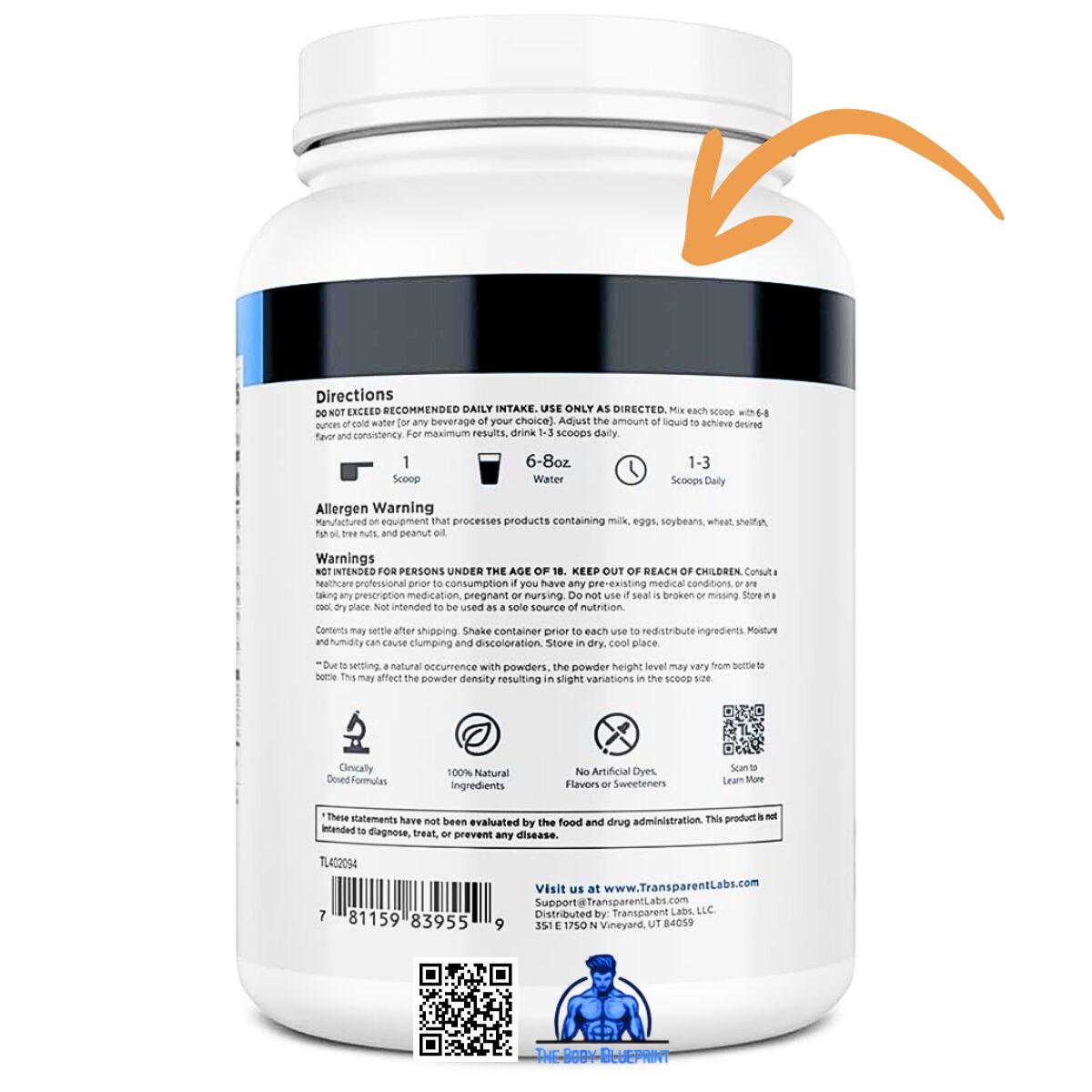
| Artificial Colors | None (Natural Colors Only) | Red 40, Yellow 5, Blue 1 |
| Protein Source | Grass-Fed Isolate (Ireland) | Concentrate Blend (Origin Unknown) |
| Sweeteners | Stevia/Monk Fruit (Natural) | Acesulfame K, Sucralose |
| Third-Party Testing | Yes (NSF Certified) | Sometimes (Variable) |
| Transparency | Fully Disclosed | Proprietary Blend |
| Price per Serving | Higher (Clean Ingredients) | Lower (Chemical Cocktail) |
👉 Full Disclosure: That’s an affiliate link. I earn a small commission if you buy, at zero extra cost to you. You get the best price, and you help fund the brutal research that goes into these no-BS reviews. Fair trade for saving you from chemical protein?
5 Protein Questions (Answered Without the Dye)
A: As Eugene Thong, CSCS, explains: “The issue isn’t necessarily acute toxicity—it’s the principle of putting petroleum-derived chemicals in a product designed for health. These dyes serve zero functional purpose. They’re purely cosmetic. Meanwhile, studies link them to hyperactivity in children and inflammatory responses in adults. Why consume unnecessary chemicals when you can get the same muscle-building benefits from clean, dye-free protein?”
A: Besides Transparent Labs, Naked Nutrition offers minimal-ingredient proteins, though their taste is notoriously bland. Ascent Native Fuel is another clean option but costs significantly more. ISO100 uses artificial colors in most flavors. The reality is most mainstream brands—Optimum Nutrition, MuscleTech, BSN—rely heavily on synthetic dyes. You’re either paying premium for clean protein or getting chemical cocktails.”
A: Actually, the opposite is often true. As Charles Damiano notes: “Artificial colors don’t affect taste—they affect perception. Companies use bright colors to make you think the flavor is more intense. Clean proteins like Transparent Labs rely on natural flavors and sweeteners, resulting in a more authentic taste that doesn’t leave chemical aftertastes. It’s the difference between fresh fruit and fruit-flavored candy.”
A: Unflavored whey is definitely the purest option, but it’s not your only choice. Transparent Labs and other clean brands use natural coloring from ingredients like cocoa and turmeric. The key is reading labels—look for ‘no artificial colors’ specifically, not just ‘natural flavors.’ Many companies use natural flavors but still add synthetic dyes for visual appeal.”
A: Let’s do the math. A tub of chemically-loaded protein might cost $20 less, but you’re getting petroleum-derived dyes, artificial sweeteners, and questionable sourcing. Clean protein costs more because it uses higher-quality ingredients, third-party testing, and ethical sourcing. When you calculate the cost of putting unnecessary chemicals in your body daily, the ‘premium’ for clean protein looks like a bargain for your long-term health.”
My Recommendation
For Clean-Conscious Athletes: TRANSPARENT LABS GRASS-FED WHEY ISOLATE
👉 Final Reality Check: Yes, these are affiliate links. I earn a commission if you buy, at no extra cost to you. This is what funds the research that exposes which proteins are clean versus which are chemical experiments. Thanks for supporting honest reviews!
Final Thought: In the protein game, you’re either the athlete using whey protein without artificial colors that delivers pure muscle repair without chemical baggage, or you’re drinking petroleum-derived rainbows that treat your body like a science experiment. Transparent Labs Grass-Fed Whey Isolate is a statement. It’s reliable, it’s effective, and it treats you like an adult who understands that performance nutrition shouldn’t come with unnecessary chemicals. Your choice isn’t about which protein is better; it’s about whether you value clean label integrity or you’re just paying for expensive food coloring. Now you know. Choose wisely.