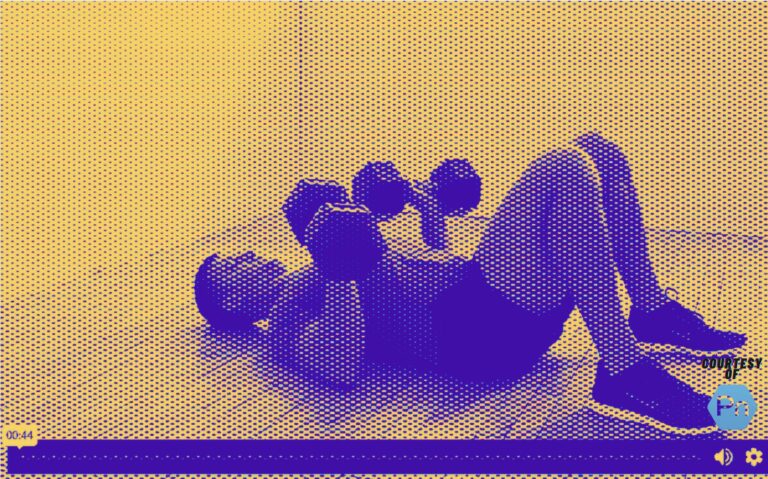
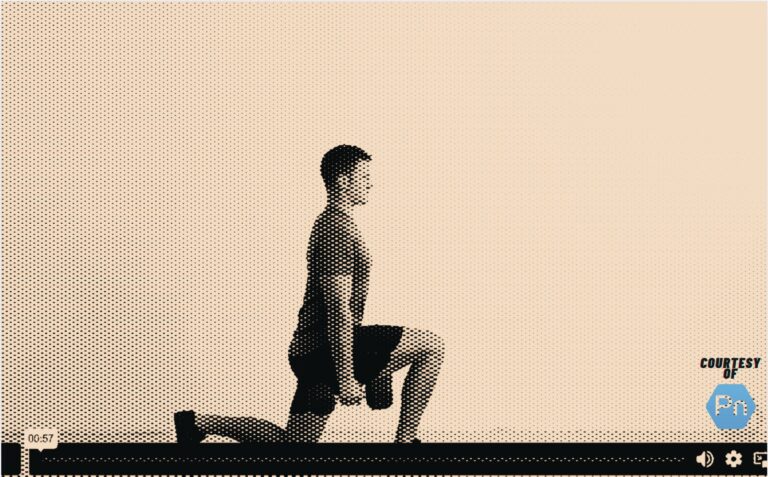
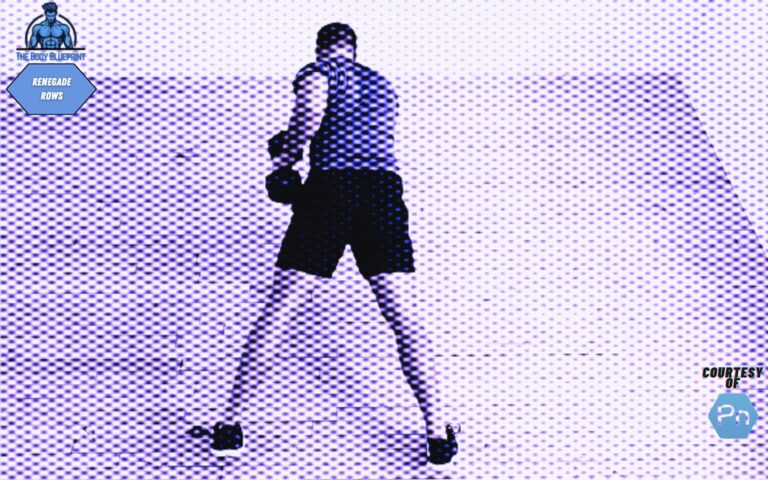
Dumbbell squat thrusts are a compound metabolic protocol engineered to synchronize bilateral hip extension with high-velocity glenohumeral stabilization. Most lifters treat this move like a frantic struggle against gravity, flailing around like a toddler having a tantrum in a ball pit. In the Engineering Dept, we perform a mechanical audit on your lumbar-pelvic rhythm, ensuring the transition from the sprawl to the deep squat doesn’t turn your spine into a stressed-out suspension bridge.
Health & Safety: For educational purposes only. Statements have not been evaluated by the FDA. These products are not intended to diagnose, treat, cure, or prevent any disease. Exercises and products carry inherent risks; results are not guaranteed and vary by individual. Always consult a professional before starting any new diet, supplement, or training regimen.
Dumbbell Setup: Calibrating the Neutral Grip Anchor
Neutral grip orientation and scapular depression are the primary mechanical constraints for maintaining wrist integrity during the thrust. If you’re gripping the bells like you’re trying to strangle a garden snake, you’re leaking force. Position the dumbbells directly under your shoulders. This provides a stable chassis for the sprawl. If you find your wrists buckling, your forearm stability is currently a systemic bottleneck—fix the foundation or stay on the sidelines.
The Thrust: Engineering Explosive Pelvic Displacement
Executing a high-velocity sprawl requires immediate gluteal recruitment to prevent compensatory lumbar extension. When your feet kick back, your midsection shouldn’t sag like a waterlogged cardboard box. In the Engineering Dept, we cue a braced core to maintain ribs-down integrity.
- Drive the feet back into a rigid plank.
- Snap the knees forward to the outside of the bells.
- Maintain a neutral spine; don’t look like a question mark at the bottom of the squat.
| Mechanical Check | Correction Strategy |
|---|---|
| Hip Sagging | Aggressively contract glutes upon foot contact. |
| Shoulder Instability | Engage lats to “anchor” the weights to the floor. |
| Rounded Lumbar | Drive the chest up; optimize hip flexion depth. |
Metabolic Demand: Redlining the Glycolytic System
The high-load, multi-planar nature of the dumbbell squat thrust accelerates the EPOC response by forcing massive motor unit recruitment. Essentially, this move is a biological furnace. To support this internal heat and promote recovery from normal exercise, ensure you’re utilizing magnesium glycinate for neuromuscular resilience. For the “heavy-duty” cardiovascular work, nattokinase protocols support healthy arterial flow when you’re pushing the engine toward its redline.
“A squat thrust isn’t just a burpee with accessories; it’s a test of your ability to maintain a rigid chassis under external load. If you’re wobbling like a Jello mold in an earthquake, drop the weight and find your core. Engineer the movement, don’t just survive it.” — The Body Blueprint Engineering Team
Technical Lexicon: Load Engineering Edition
- Glenohumeral Stabilization: The ability of the shoulder complex to remain stationary and locked under load.
- Lumbar-Pelvic Rhythm: The coordinated movement between the lower back and hips to maintain structural integrity.
- Motor Unit Recruitment: The number of muscle fibers called into action to move the external tonnage.
- Neutral Grip: Palms facing each other—the most biomechanically efficient way to anchor the bells.
Engineer Your Power.
Stop performing “junk” thrusts. Calibrate your sprawl, snap your hips, and build a high-performance engine that handles industrial-duty loads with ease.