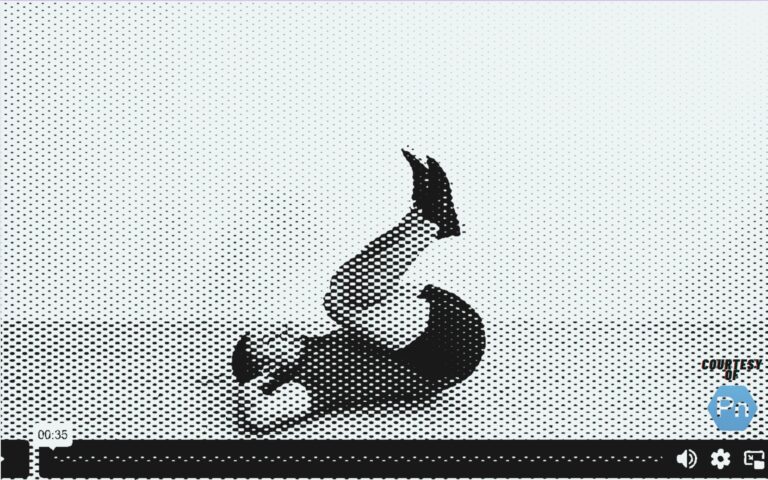
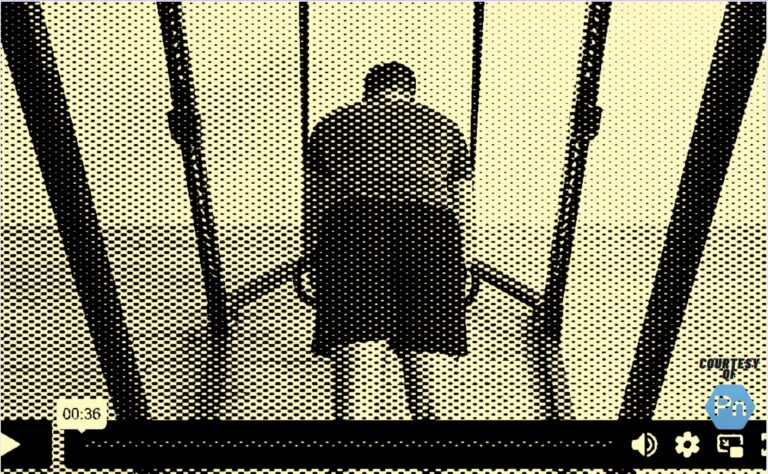
The Wall-Press (or Wall Dead Bug) utilizes a kinetic chain phenomenon known as “irradiation.” By forcefully engaging the serratus anterior and latissimus dorsi against a fixed object, the body reflexively increases neural drive to the anterior core, ensuring lumbar neutrality during hip extension.
Let’s translate that: Your abs are lazy. When you try to do leg raises, your lower back takes over because your core doesn’t know how to brace properly. The Wall-Press fixes this by forcing you to push into a wall, which locks your ribcage down and forces your abs to fire whether they want to or not. It’s the ultimate “cheat code” for perfect core engagement.
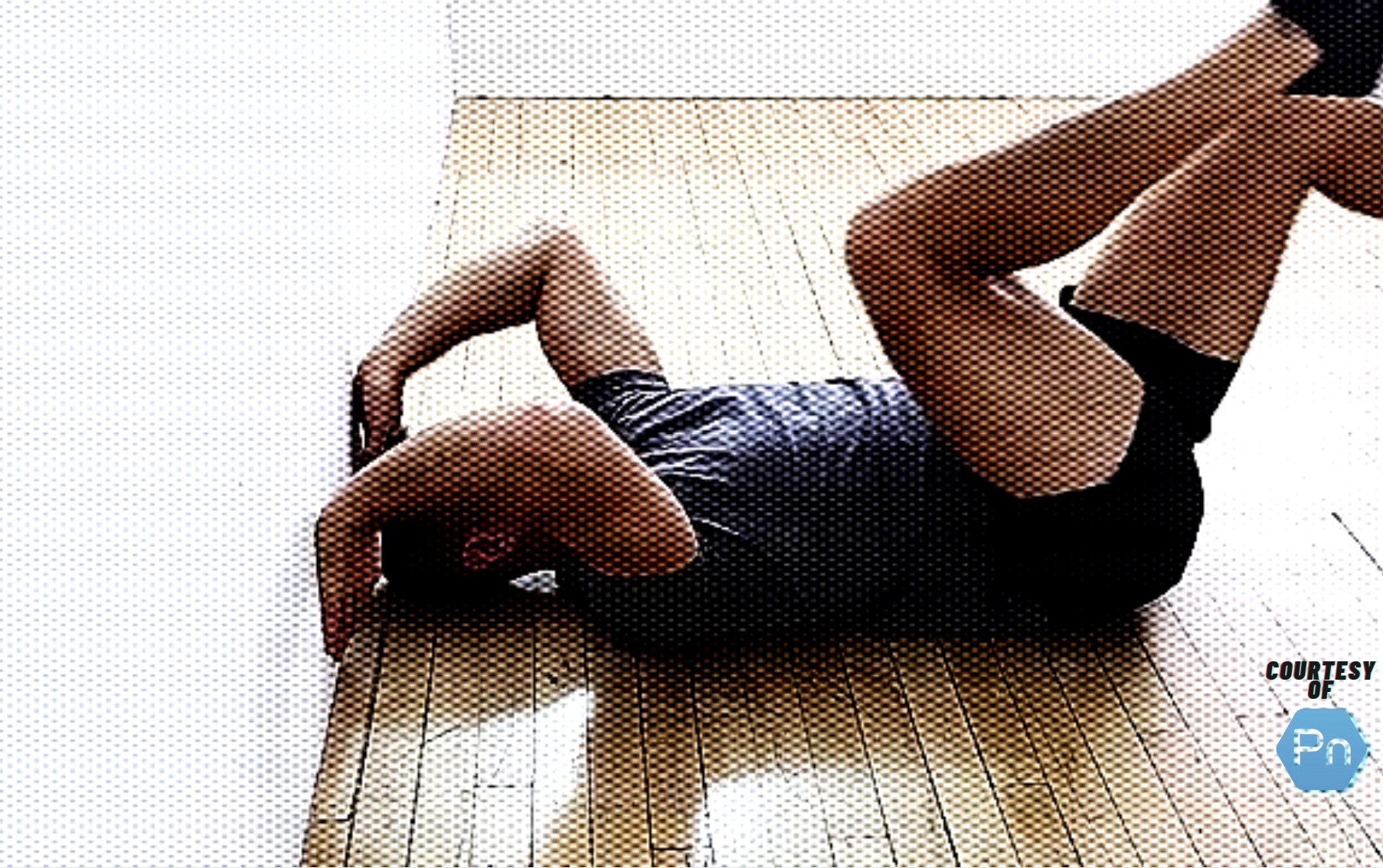
Important: This exercise is designed to fix back pain, not cause it. If your lower back leaves the floor, stop immediately and reset your pelvis.
Why This Move Outclasses Crunches
Crunches train you to look like a shrimp. The Wall-Press trains you to be a statue. This is an “Anti-Extension” exercise, similar to the Pallof Press, but vertical.
By pushing overhead, you activate the serratus anterior (the muscles under your armpits). This naturally depresses the ribcage. If you struggle with the 90/90 breathing drills, this is the strength version of that concept.
The Benefits at a Glance
| Advantage | The Payoff |
|---|---|
| Ribcage Control | Prevents “rib flare,” ensuring the stress stays on the abs, not the spine. |
| Shoulder Integration | Connects the upper body to the core, similar to band-resisted scapular pushups. |
| Safety | Impossible to cheat if you keep your back flat. Zero neck strain. |
How to Perform the Wall-Press Like a Pro
This looks easy. It isn’t. If you aren’t shaking, you aren’t pushing hard enough.
Step-by-Step Execution
- The Setup: Lie on your back with your head touching a wall.
- The Press: Place your palms flat against the wall behind you. Push. Push hard. You are trying to push the wall away from you.
- The Lock: As you push, feel your ribcage slide down and your lower back crush into the floor. This is your anchor.
- The Legs: Bring knees to 90 degrees (tabletop).
- The Movement: Slowly lower one heel to the floor. Do not let your back arch. Do not stop pushing against the wall.
- The Return: Drag the leg back up using your lower abs. Switch sides.
“The wall is your feedback mechanism. The harder you push into the wall, the harder your core automatically contracts. It removes the guesswork from bracing.”
— Eugene Thong, CSCS
Common Mistakes That Kill Progress
- The Gap: If I can slide a hand under your lower back, you have failed. Reset.
- Lazy Arms: If your elbows are bent and relaxed, you’re just doing leg raises. Push through the palms to engage the serratus.
- Rushing: This is a tension exercise, not cardio. Go slow. 3 seconds down, 3 seconds up.
Progressions: Earn the Difficulty
1. The Iso Hold
Just hold the tabletop position while pushing into the wall. Breathe behind the brace. This is harder than it sounds.
2. Double Leg Lower
Lower both legs simultaneously. This doubles the lever arm load on the core. Only do this if your back stays glued.
3. Weighted
Hold a small dumbbell or medicine ball between your knees/feet. This requires significant lower body control, similar to advanced knees and feet drills.
Programming Tips
Stop doing this for 50 reps. Do it for quality.
| Level | Volume | Focus |
|---|---|---|
| Beginner | 3 x 6/side | Back contact. |
| Intermediate | 3 x 10/side | Harder wall push. |
| Advanced | 3 x 8 (Double Leg) | Maximal tension. |
Context is Key
While big biceps from dumbbell hammer curls look good, they don’t stabilize your spine. This exercise does. It’s the perfect warmup before heavy squats or advanced pushup variations.
Also, core strength relies on recovery. Ensure your micronutrient intake is dialed in to support muscle contraction and neural drive. Don’t let a vitamin deficiency be the reason your core fails.
The Verdict
The Wall-Press is the smartest way to train your abs. It removes the ability to cheat and forces you to build a core that functions as a brace, not just a showpiece. Find a wall and get to work.